

Ghana’s construction sector experienced a further increase in building cost inflation in August 2026, with the Prime Building Cost Index (PBCI) recording a year-on-year inflation rate of 4.6 percent, up from 4.0 percent in July 2026, according to the latest bulletin released by the Ghana Statistical Service (GSS).
The increase signals a continued rise in the cost of constructing buildings across the country, driven largely by higher prices of construction materials and plant-related inputs.
The PBCI, which uses 2023 as its base year (2023=100), tracks changes in the prices of key building inputs including materials, labour and equipment.
According to GSS, the monthly inflation rate for August stood at 0.1 percent, indicating that although building costs continued to rise, the pace of increase remained relatively moderate compared to previous months.

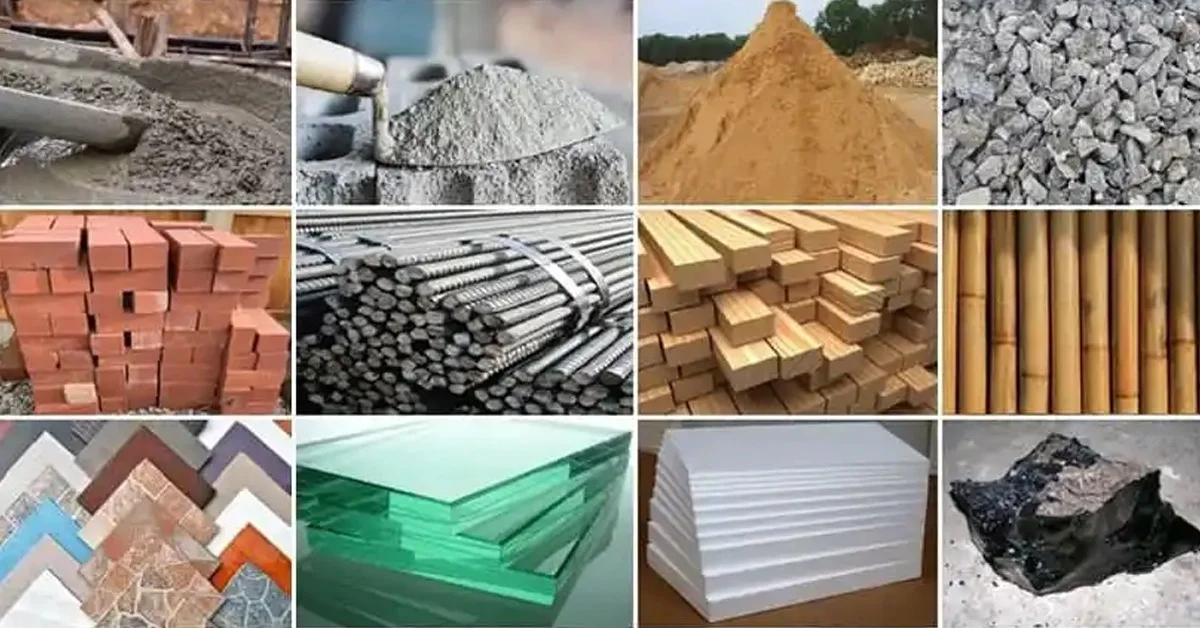
A breakdown of the index shows that the Materials group remained the main source of inflationary pressure within the sector.
Year-on-year inflation for materials rose to 5.8 percent in August from 5.1 percent in July.
The Plant group also recorded a significant inflation rate of 17.9 percent, although this represented a slight decline from the 18.0 percent recorded a month earlier.
In contrast, labour costs continued to decline on a year-on-year basis. The Labour group recorded an inflation rate of -2.9 percent in August, compared with -3.2 percent in July, suggesting ongoing moderation in labour-related construction expenses.
At the sub-group level, Plumbing emerged as the fastest-rising component of building costs, posting an inflation rate of 26.1 percent in August 2026.
On the other hand, the Steel sub-group recorded the lowest inflation rate at -8.9 percent, indicating a significant decline in prices relative to the same period last year.
The report further revealed that 14 out of the 23 construction sub-groups recorded inflation rates above the national building inflation average of 4.6 percent, highlighting broad-based cost increases across the industry.
The continued rise in the PBCI is expected to have implications for developers, contractors, investors and project owners, who rely on the index to price contracts, prepare bids and manage construction budgets.
Higher material and equipment-related costs could place upward pressure on project expenditures, particularly for ongoing and new developments.
Despite the increase recorded in August, building cost inflation remains significantly lower than the near double-digit rates recorded a year earlier, suggesting that the sector has experienced a moderation in price pressures over the past 12 months.
The latest figures, however, indicate that inflationary pressures are beginning to edge upward again, warranting close monitoring by industry stakeholders.
The Prime Building Cost Index serves as an important barometer of cost movements within Ghana’s construction industry and provides critical information for decision-making across the real estate, infrastructure and building sectors.
Source: businesspostonline