

Diverging forecasts by international financial institutions over Ghana’s inflation outlook are highlighting the uncertainty confronting policymakers as renewed price pressures threaten to complicate the country’s monetary easing and fiscal consolidation efforts.
While the International Monetary Fund (IMF) projects that inflation will decline to 4.8 percent by the end of 2026, Fitch Solutions expects the rate to reach 6.8 percent by December, reflecting differing assessments of the risks confronting the economy.
The contrast comes as local financial services institution International Capital Group (IC Group) forecasts an increase in headline inflation to 6.0 percent in October, from 5.2 percent in September.
IC Group attributes the anticipated increase to higher transport fares, fuel prices and food supply constraints, while Fitch also identifies elevated energy costs associated with geopolitical tensions and emerging exchange-rate pressures.

Fitch expects the Bank of Ghana (BoG) to maintain its Monetary Policy Rate at 14 percent through December, arguing that although inflation is likely to increase, the anticipated acceleration may not be sufficient to warrant immediate monetary tightening.
The IMF’s more optimistic assessment reflects improved fiscal discipline, stronger commodity export earnings, particularly gold, and an improved external position.
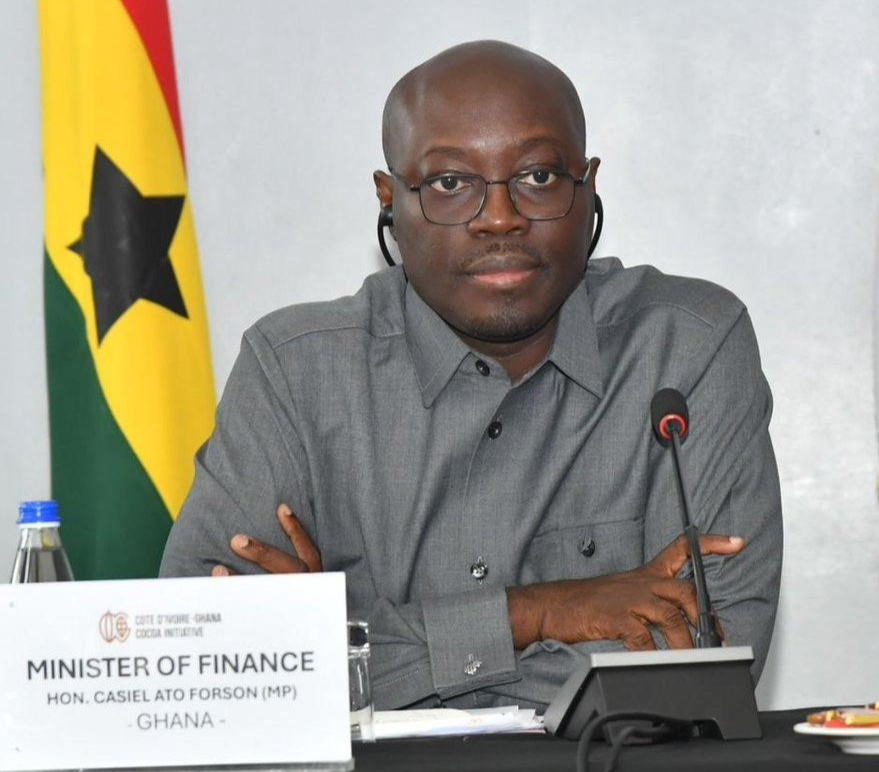
The government has also maintained confidence in its disinflation programme. Finance Minister Dr Cassiel Ato Forson previously projected that inflation would decline to five percent by December 2026, while his Technical Advisor, Dr Theo Acheampong, indicated that the Ministry of Finance expected the rate to remain within the eight percent target, plus or minus two percentage points.
The BoG’s September Monetary Policy Committee assessment, however, acknowledged that risks to the inflation outlook were increasingly tilted towards the upside.
These include higher international crude oil prices, transport fare adjustments, possible utility tariff increases, geopolitical developments and adverse weather conditions.
Nevertheless, the Central Bank believes improved food supplies, fiscal consolidation and exchange-rate stability could help contain price pressures.
The differences in projections present a difficult balancing act for monetary authorities, particularly as the government prepares its 2027 Budget.
By: Toma Imirhe / businesspostonline