

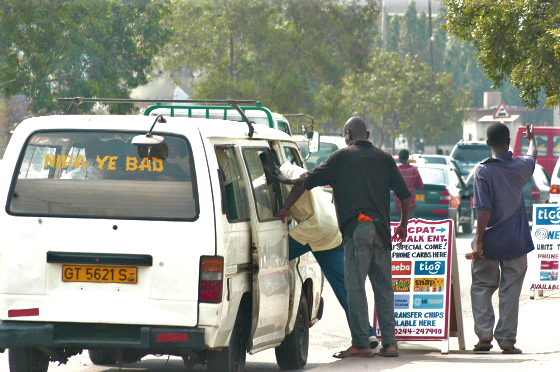
Rising transport fares, international fuel prices and food supply constraints are emerging as major threats to Ghana’s inflation outlook, potentially reversing some of the gains achieved through the country’s recent disinflation programme.
The pressures are expected to become more visible in October’s inflation figures, with local financial services institution International Capital Group (IC Group) projecting that annual inflation could increase to 6.0 percent from 5.2 percent in September.
The forecast highlights the growing influence of domestic cost pressures on consumer prices, particularly as higher transportation and distribution expenses feed into the prices of goods and services.
An eight percent increase in administrative transport fares is expected to have a more pronounced effect on October inflation, having been only partially reflected in the September figures.

International crude oil prices, which exceeded US$100 per barrel under IC Group’s modelling assumptions, could further increase the cost of transporting goods and delivering services.
Food supply conditions are also becoming a concern. IC Group expects an unfavourable comparison with October 2025 food prices to contribute to the anticipated increase.
The September Consumer Price Index data provide an indication of these emerging pressures. Food inflation increased to 4.0 percent from 3.0 percent in August, while services inflation remained significantly higher than goods inflation at 8.3 percent against 4.2 percent.
Government Statistician Dr Alhassan Iddrisu has previously identified fresh food prices, domestic production costs and persistent services inflation as important sources of emerging price pressures.
The figures suggest that Ghana’s inflation challenge is increasingly being shaped by domestic supply chains and operating costs rather than imported merchandise prices alone.
However, unchanged utility tariffs could help limit the extent of the anticipated increase.
For businesses, sustained increases in transportation, energy and production costs could put pressure on operating margins and eventually translate into higher consumer prices.
The challenge for policymakers will be to address these supply-side pressures without undermining the economic recovery.
The November inflation release will provide further evidence of whether the recent increase represents a temporary adjustment or the beginning of a more sustained reversal of Ghana’s disinflation progress.
By: Toma Imirhe / businesspostonline