

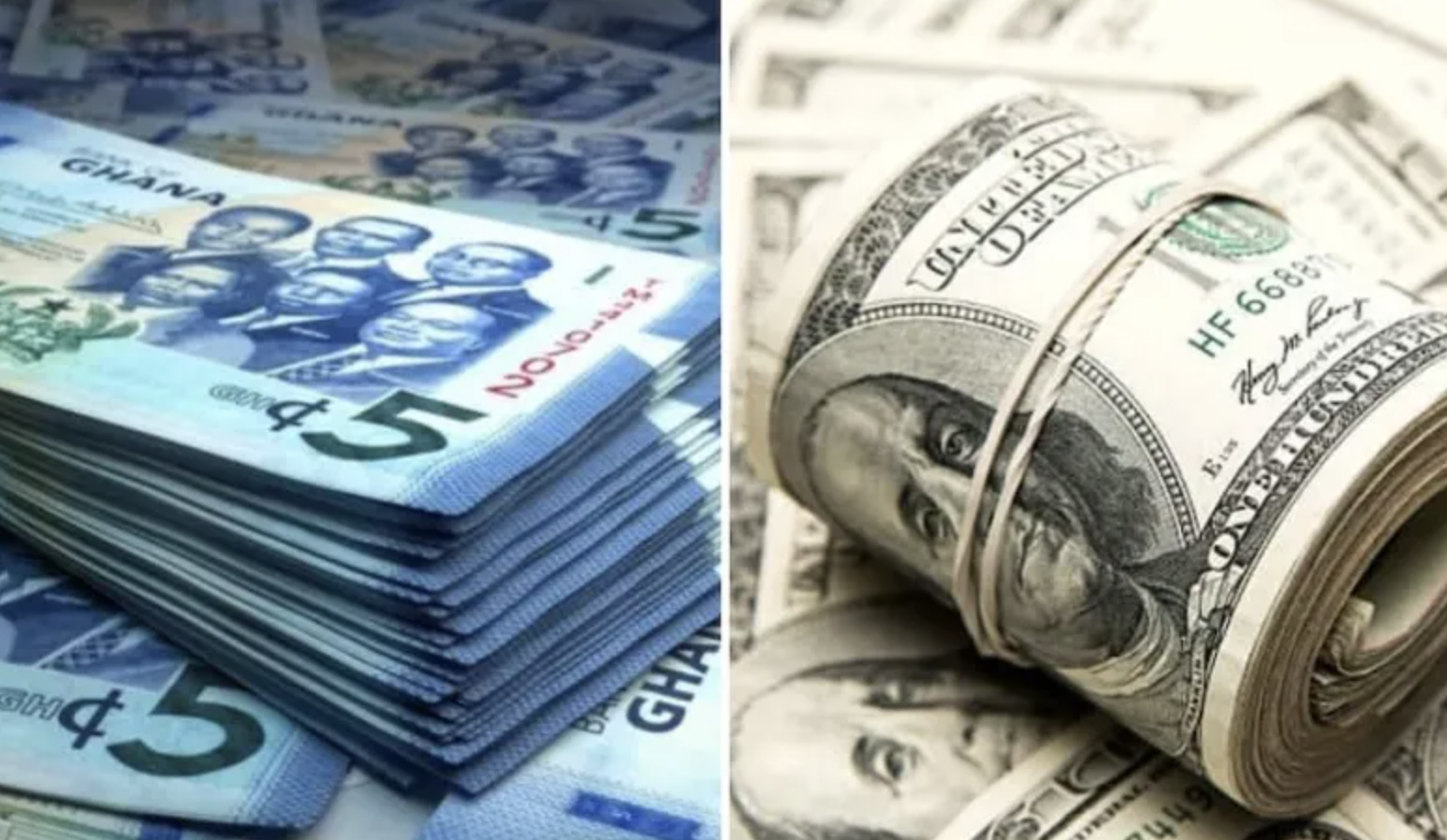
The Bank of Ghana (BoG) has withdrawn GH¢11.28 billion from the banking system through its latest 14-day bill auction, highlighting the central bank’s continued efforts to control liquidity and support macroeconomic stability.
According to the results of Tender 864, conducted on June 3, 2026, the central bank successfully allotted the entire GH¢11.28 billion in bids submitted by market participants. The auction attracted bids with interest rates ranging between 10.40 percent and 11.00 percent, with all qualifying offers accepted.
The 14-day bills recorded a weighted average discount rate of 10.88 percent and a weighted average interest rate of 10.93 percent, providing a snapshot of prevailing short-term money market conditions.
BoG bills are primarily used as a monetary policy tool to absorb excess liquidity from the financial system. Unlike Treasury bills, which are issued by government to finance budgetary expenditures, Bank of Ghana bills are designed specifically to regulate money supply and influence short-term interest rates.

The latest liquidity absorption exercise comes as the central bank remains focused on preserving recent gains in inflation control. Although inflation remains relatively low, it has increased for two consecutive months, rising from 3.4 percent in April to 3.7 percent in May 2026.
Analysts say the size of the auction indicates that the central bank is maintaining a cautious stance toward liquidity management despite improvements in the broader economic environment. Excess liquidity in the banking sector can fuel inflationary pressures and increase demand for foreign exchange, potentially putting pressure on the cedi.
The operation also aligns with the Monetary Policy Committee’s recent decision to maintain the benchmark policy rate at 14 percent, reflecting concerns about inflation risks and external uncertainties.
For commercial banks, the 14-day bills offer a secure short-term investment option. For the central bank, they remain an important instrument for managing liquidity, supporting monetary policy transmission and ensuring stability in money markets.
Market participants will be closely monitoring upcoming auctions to determine whether the Bank of Ghana will continue with large-scale liquidity mop-up operations as it balances economic growth objectives with the need to maintain price and exchange rate stability.
Source: businesspostonline