

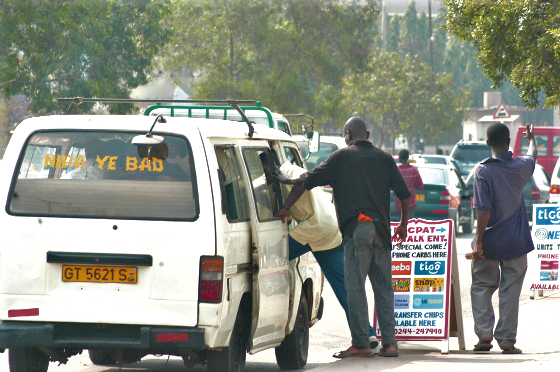
Ghana’s battle against inflation is facing renewed challenges following a 20 percent increase in public transport fares announced by transport operators effective June 2, 2026.
The fare adjustment, introduced by the Ghana Private Road Transport Union (GPRTU) and allied transport groups, comes amid rising fuel prices, higher vehicle maintenance costs and increasing spare parts expenses.
Economists warn that the increase could trigger a new round of inflationary pressures across the economy by raising the cost of transporting goods, agricultural produce and passengers.
The development comes at a time when Ghana has made significant progress in reducing inflation from the elevated levels recorded during the economic crisis of 2022 and 2023 to 3.4 percent in April 2026.

Industry stakeholders argue that the fare increase was unavoidable due to mounting operational costs. The Chamber of Petroleum Consumers (COPEC) has supported the decision, pointing to recent increases in fuel prices as a major factor affecting transport operators.
Analysts note that transportation costs have a direct impact on food prices and the cost of doing business, making the latest adjustment a potential threat to recent gains in price stability.
Consumers have also expressed concern that higher transport costs could worsen living conditions at a time when many households are still adjusting to the effects of previous economic challenges.
While economists expect inflation to remain below crisis-era levels, they warn that sustained increases in transport and energy costs could slow the pace of disinflation in the months ahead.
The Bank of Ghana has maintained a cautious monetary policy stance, keeping the policy rate at 14 percent while introducing additional liquidity management measures to help contain inflationary pressures and preserve exchange rate stability.
Market watchers say the effectiveness of these measures will depend partly on how long current global energy market pressures persist.
By: Toma Imirhe / businesspostonline