

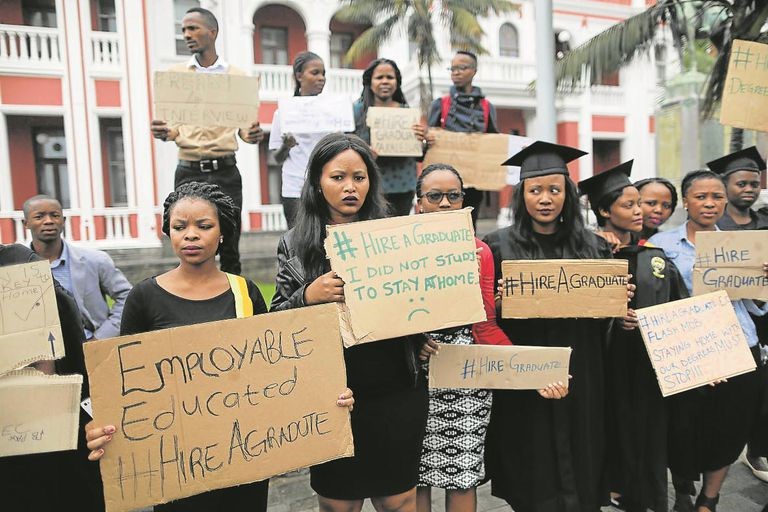
Hiring activity in Ghana is showing signs of weakness despite improving macroeconomic conditions, highlighting ongoing challenges in the labour market.
Data from the Bank of Ghana’s March 2026 Monetary Policy Report indicates that advertised job vacancies fell by 4.9 percent year-on-year to 3,244 in February 2026, compared to 3,411 in the same period last year. Job postings also declined slightly on a monthly basis, dropping 1.0 percent from 3,276 in January, pointing to subdued hiring at the start of the year.
For the first two months of 2026, total vacancies stood at 6,520, only slightly above the 6,465 recorded in the corresponding period of 2025. This marginal increase suggests that job creation remains largely stagnant rather than expanding in line with economic recovery.
The figures underscore a disconnect between Ghana’s stabilising macroeconomic environment—marked by easing inflation and improved currency conditions—and labour market performance. Businesses appear to be taking a cautious approach, focusing on cost control, efficiency and gradual expansion instead of increasing headcount.

This trend raises concerns that unemployment pressures could persist, particularly among new entrants to the workforce, unless stronger private sector growth and targeted employment policies are implemented.
Overall, while economic stability is gradually returning, translating these gains into broad-based job creation remains a key challenge for policymakers.
Source: businesspostonline