

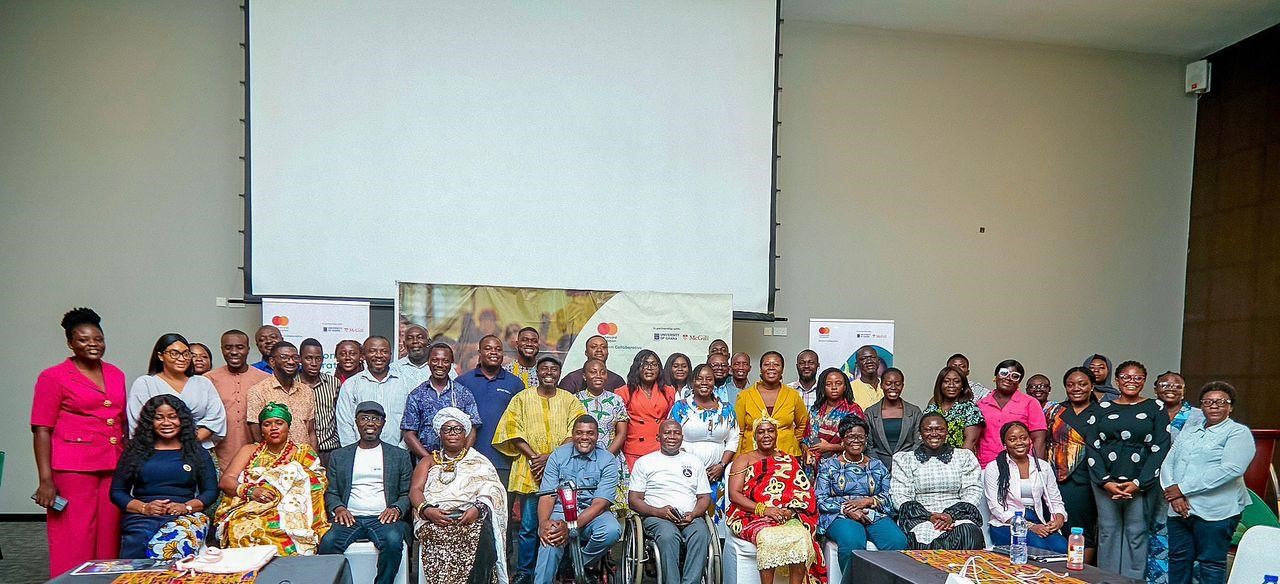
The Nkabom Collaborative at the University of Ghana has intensified efforts to promote inclusive participation in Ghana’s agrifood system by engaging Persons with Disabilities (PWDs), young women and internally displaced persons on strategies to overcome barriers to employment and entrepreneurship in the sector.
At a stakeholder workshop held in Tema on June 18, 2026, representatives from women farmer groups, disability associations, NGOs, market leaders, queen mothers, UN agencies and development partners explored practical ways to improve access to opportunities and strengthen collaboration across the country’s food value chain.
Speaking at the event, Lead Investigator of the Nkabom Collaborative at the University of Ghana, Prof. Richmond Aryeetey, said the initiative forms part of the Mastercard Foundation’s Young Africa Works programme, which seeks to enable 50 million young Africans to secure decent employment by 2050.
He explained that the University of Ghana’s intervention is structured around three key pillars: supporting young people to transform innovative ideas into agribusiness enterprises, delivering competency-based training through short courses and practical programmes, and building the capacity of young women to participate meaningfully in the agrifood sector.

Prof. Aryeetey noted that inclusion remains central to the programme, with targets to ensure that at least 10 percent of beneficiaries are Persons with Disabilities and another 10 percent are internally displaced persons.
According to him, the workshop was organised to engage key stakeholder groups in identifying practical strategies to improve outreach and ensure vulnerable populations are not left behind in Ghana’s agricultural transformation agenda.
The Nkabom Collaborative aims to harness the potential of Ghana’s youthful population by expanding access to skills development, entrepreneurship support and employment opportunities within the agrifood system. Organisers believe empowering underserved groups will contribute to a more inclusive, resilient and productive agricultural sector while helping address youth unemployment and supporting national economic growth.
Source: businesspostonline