

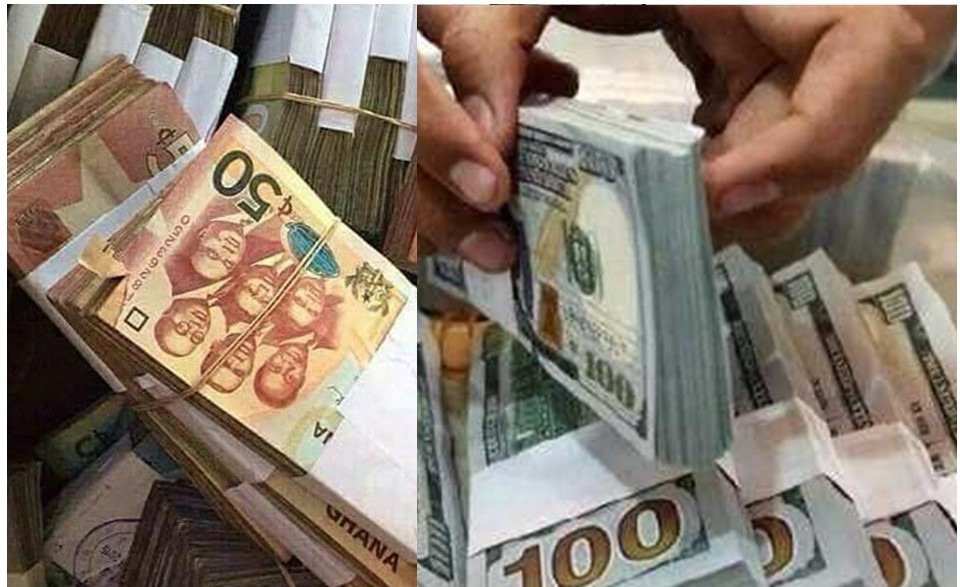
The Ghana cedi has recorded a strong recovery against the US dollar, posting four consecutive days of gains between August 11 and 14 as foreign exchange supply improved and demand for dollars weakened.
Foreign exchange market data showed the local currency rebounding sharply after coming under pressure in July and early August.
Some commercial banks were quoting the dollar at around GH¢11.30, while the Bank of Ghana’s reference rate stood at GH¢10.98. Bloomberg data also showed the cedi trading at approximately GH¢10.96 to the dollar.
The latest rates mark a significant improvement from earlier this month, when some banks were selling the dollar for more than GH¢12.

Market analysts attribute the recovery to a combination of stronger foreign exchange inflows, increased central bank support, inflows from the extractive sector and renewed interest from offshore investors in Ghana’s domestic bond market.
There are also indications that demand for foreign currency by businesses is beginning to ease.
On August 11, the Bank of Ghana offered US$125 million to commercial banks through its foreign exchange auction, but bids amounted to only US$85 million.
Two days later, the central bank again made US$125 million available to the market, but banks submitted bids totaling just US$94 million.
The lower subscription levels suggest that immediate demand for dollars may be moderating.
Some market participants have also linked the cedi’s recent appreciation to regulatory measures affecting commercial banks’ foreign currency holdings, although the impact of those measures has not yet been fully established.
BoG injects more than US$8bn into the market
The cedi’s recovery has been supported by aggressive interventions from the Bank of Ghana.
Market data show that the central bank supplied more than US$8 billion to the foreign exchange market between January and July 2026.
Of that amount, approximately US$7.45 billion was sold through the FX Intermediation Programme between January and July, while an additional US$811 million was injected through the FX Intervention Programme between January and June.
Total market support has therefore exceeded US$8.2 billion so far this year.
The figure could rise above US$9 billion if the central bank proceeds with plans to inject up to US$1 billion into the market through the FX Intermediation Programme this month.
The Bank of Ghana has maintained that the recent appreciation of the cedi is consistent with its Exchange Rate Management Framework.
The central bank has also urged businesses not to panic during periods of exchange rate volatility, emphasizing that Ghana’s external position remains strong.
Gross international reserves stood at US$12.9 billion at the end of June 2026, equivalent to about five months of import cover.
Several commercial banks expect the cedi’s recent gains to continue in the coming weeks, citing anticipated donor inflows, sustained support from the extractive sector and softer demand for foreign exchange.
Additional external inflows expected later this month could provide further support for the local currency and strengthen the country’s reserve position.
Source: businesspostonline