

Ghana has taken a significant step toward safeguarding its marine resources with the launch of a three-year national project aimed at improving compliance with the World Trade Organization (WTO) Agreement on Fisheries Subsidies.
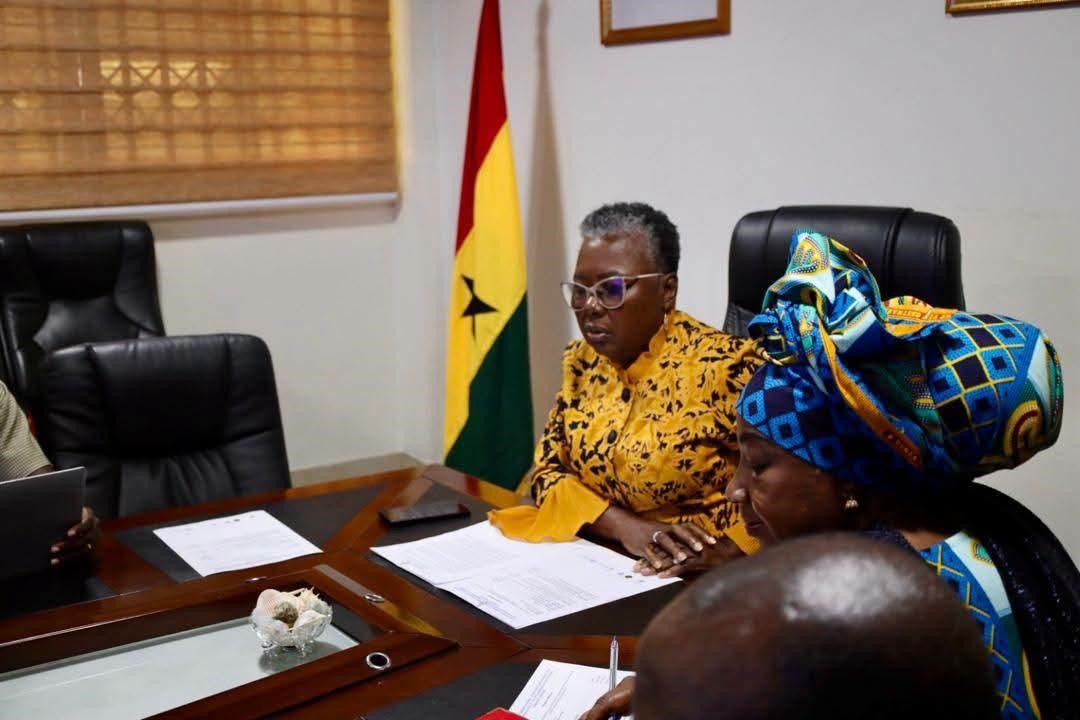
The initiative, unveiled during a high-level stakeholder meeting in Accra, is being spearheaded by the Ministry of Fisheries and Aquaculture Development in collaboration with the Fisheries Commission. The project is funded through the WTO Fish Fund and implemented alongside the Global Fisheries and Resilience Action (GFRA).
The programme is expected to strengthen transparency and accountability within Ghana’s fisheries sector while addressing harmful subsidy practices that contribute to overfishing and Illegal, Unreported and Unregulated (IUU) fishing.
Speaking at the launch, the Minister for Fisheries and Aquaculture Development, Emelia Arthur, stressed the importance of establishing effective compliance systems to protect the future of the country’s fisheries industry.

According to her, the initiative goes beyond fulfilling international obligations and seeks to ensure that Ghana’s fisheries resources remain sustainable and beneficial to future generations.
“This is about protecting livelihoods, strengthening sustainability, and ensuring fairness within the sector,” the Minister noted.
Key areas of focus
The project will operate under a five-pillar framework designed to promote responsible fisheries governance and marine conservation.
The first pillar focuses on subsidies, with authorities expected to closely monitor government financial support to prevent the promotion of harmful fishing practices.
Under the biological pillar, efforts will be directed at monitoring fish stocks and preventing overexploitation of marine resources.
The livelihoods component aims to protect the incomes of vulnerable coastal communities, particularly artisanal fishers who depend heavily on the sector for survival.
Another pillar will address distributional equity by promoting fairness across the fisheries value chain and supporting greater participation of women in the industry.
The final pillar centres on governance, with plans to strengthen legal frameworks, improve transparency, and enhance regulatory oversight within the fisheries sector.
Oversight and implementation
To ensure smooth implementation, the first tranche of funding has already been released to support immediate operations.
An 11-member steering committee has also been established to supervise the execution of the project. The committee will hold monthly coordination meetings, engage stakeholders regularly, and conduct quarterly reviews to assess progress toward Ghana’s WTO commitments.
The initiative is expected to position Ghana as a leader in sustainable fisheries management while helping secure the livelihoods of thousands of coastal residents who rely on the marine economy.
Source: businesspostonline