

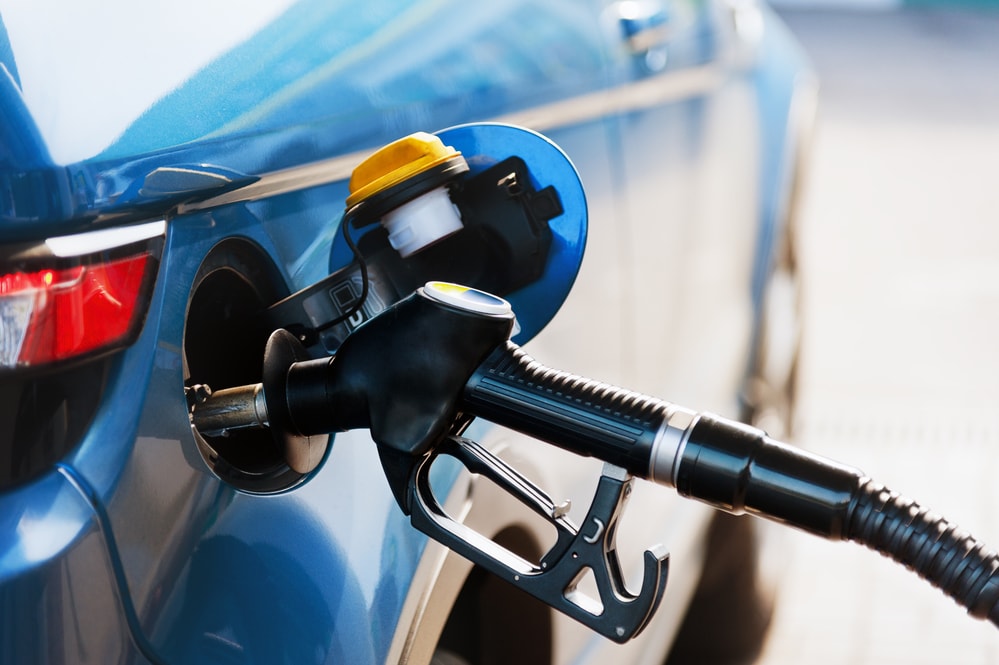
Petrol, diesel and Liquefied Petroleum Gas (LPG) prices are projected to increase from today, with motorists and other petroleum product consumers expected to face higher pump prices during the second-half September pricing window.
The Chamber of Oil Marketing Companies (COMAC), in its latest ex-pump price projection, forecasts that petrol prices could rise by between 7.75 percent and 9.63 percent, representing the biggest projected increase among the three major petroleum products.
Diesel prices are also expected to increase, with COMAC projecting an adjustment of between 4.26 percent and 6.97 percent.
LPG prices, meanwhile, are expected to record a more moderate increase of between 0.85 percent and 3.22 percent.

COMAC attributed the projected adjustments primarily to rising global prices of crude oil and refined petroleum products, which continue to influence domestic fuel pricing.
The anticipated increases could add to operating costs for businesses and households, particularly as fuel prices have a direct bearing on transportation, logistics and the cost of moving goods and people across the country.
However, the chamber said the expected increase in diesel prices would be partly moderated by the government–industry intervention currently in place to cushion consumers against the full impact of international market movements.
This intervention is expected to prevent the entire increase in international product prices from being passed through to consumers at the pumps.
The latest projection comes at a time when global oil markets remain sensitive to geopolitical developments and supply concerns, with changes in crude oil prices quickly feeding into the cost of refined petroleum products.
For Ghana, where the downstream petroleum market largely depends on imported refined products, movements in international crude and product prices remain a key determinant of domestic pump prices.
The projected fuel price increases could also have wider implications for inflation and business costs if they translate into higher transport fares, freight charges and distribution expenses.
Transport operators, manufacturers, retailers and other businesses that rely heavily on diesel could face increased operating expenses despite the cushioning measures.
For households, higher petrol and LPG prices could similarly raise commuting and cooking costs, depending on the extent to which the projected adjustments are reflected in retail prices.
The second-half September pricing window will therefore be closely watched by consumers and businesses as oil marketing companies determine their actual ex-pump prices.
COMAC’s projection provides an indication of the direction of prices, although the final adjustments at individual stations may vary depending on market conditions and other pricing considerations.
If the projected increases materialise, petrol consumers are expected to bear the largest adjustment, while diesel users will receive some relief from the government–industry intervention.
The development underscores the continued vulnerability of domestic fuel prices to movements in global energy markets and the potential knock-on effects on transportation, production and general business operating costs.
Source: businesspostonline