

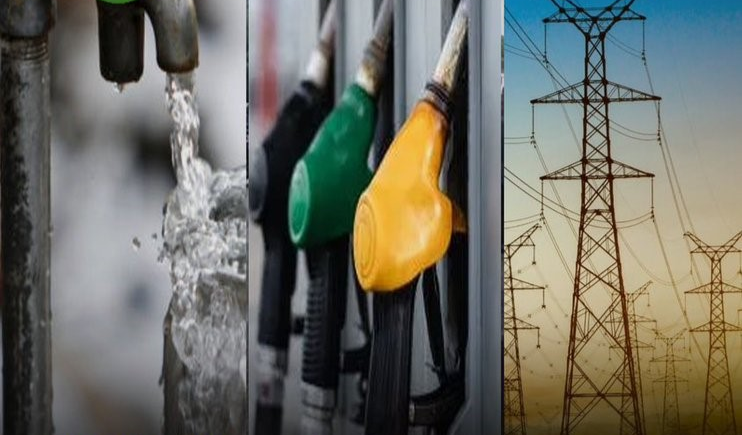
Rising geopolitical tensions in the Middle East are emerging as a significant threat to Ghana’s economic stability, with analysts warning that higher energy and fertilizer costs could fuel a new wave of inflation.
The crisis has contributed to increases in global crude oil prices, creating challenges for countries such as Ghana that rely heavily on imported refined petroleum products.
Economists say the resulting rise in fuel costs is already affecting transportation expenses and could soon place upward pressure on electricity tariffs and food prices.
Although the Public Utilities Regulatory Commission recently reduced electricity tariffs for the second quarter of 2026, energy experts caution that sustained increases in fuel prices could force future tariff adjustments.

Because a large share of Ghana’s electricity generation depends on thermal power plants, higher fuel costs directly affect electricity production expenses.
Analysts also point to growing concerns within the agricultural sector, where disruptions in global fertilizer supply chains could increase production costs for farmers.
Experts warn that rising fertilizer prices may reduce farm productivity or compel producers to pass higher costs on to consumers through increased food prices.
Food inflation remains particularly important because food accounts for a substantial portion of household expenditure in Ghana.
Despite these risks, authorities remain optimistic that the country can protect recent macroeconomic gains. The Bank of Ghana has maintained a tight monetary policy stance, while government continues to pursue fiscal discipline and policies aimed at sustaining exchange rate stability.
Economists believe the strength of the cedi has so far helped absorb some of the impact of rising global commodity prices, preventing sharper increases in domestic fuel and food costs.
However, they caution that the duration of the Middle East conflict and the direction of global oil prices will play a critical role in determining whether inflationary pressures remain temporary or become more entrenched in the economy.
By: Toma Imirhe / businesspostonline