

The Ghana Revenue Authority (GRA) is set to introduce a duty credit scheme aimed at helping importers clear goods at the country’s ports without losing their consignments due to temporary financial constraints.
Commissioner-General of the GRA, Mr. Anthony Sarpong, disclosed that the proposed arrangement would allow importers to access short-term credit facilities from financial institutions to settle import duties.
The credit support is expected to range from three months to one year.
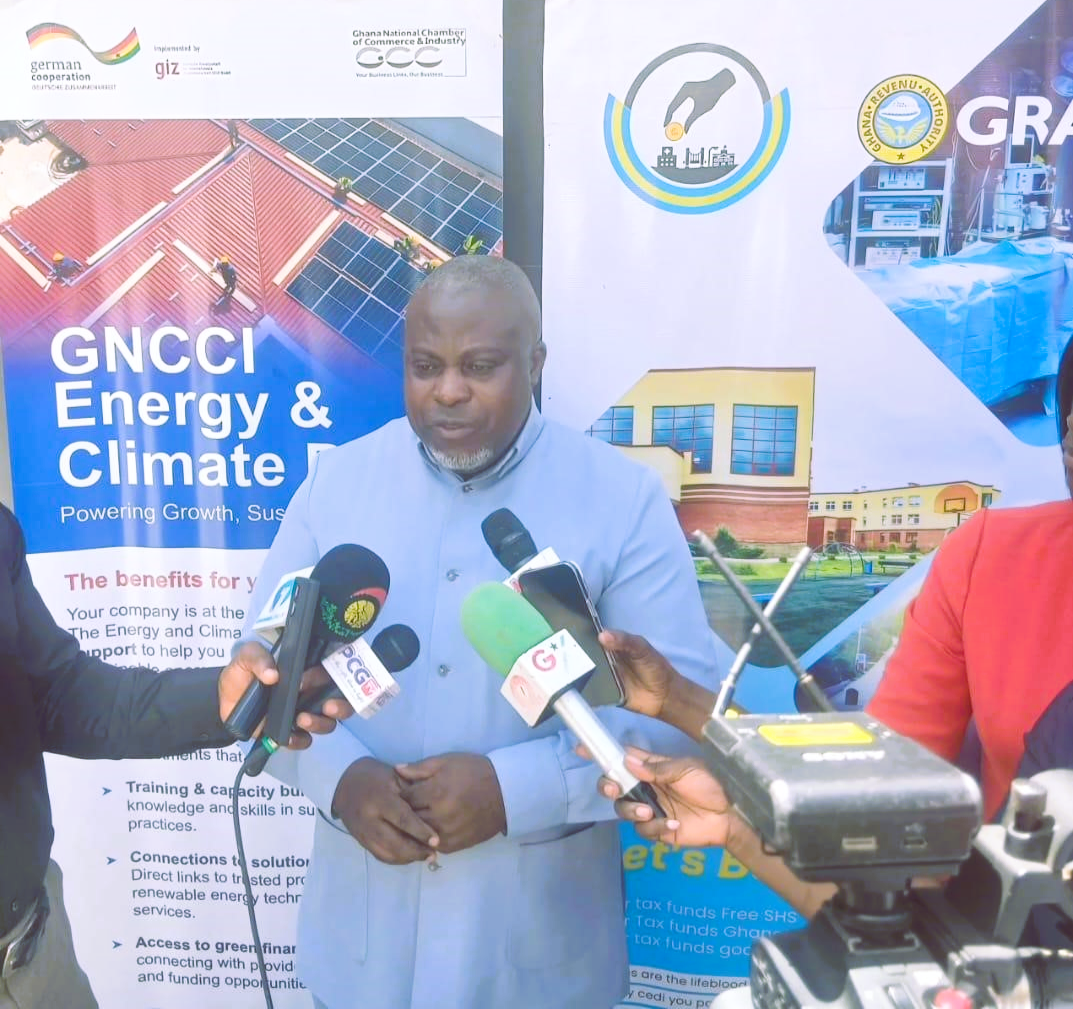
Mr. Sarpong made this known during a high-level business engagement session organised by the Ghana National Chamber of Commerce and Industry (GNCCI) in Accra, dubbed “Time with the GRA Commissioner-General.”

The initiative forms part of the Chamber’s ongoing dialogue series, which seeks to strengthen collaboration between the private sector and key state institutions on taxation, compliance, business reforms and economic growth.
According to Mr. Sarpong, the scheme is designed to enable businesses to promptly pay duties, secure the release of their goods and repay the loans after selling their products.
“And what we are asking from businesses is discipline. When you take such a facility, after selling your goods, you pay back the loan so that the next time you bring goods into the country, you can access the facility again,” he said.
He explained that the initiative is part of broader reforms being undertaken by the Authority to facilitate trade, improve business operations and enhance domestic revenue mobilisation.
Mr. Sarpong noted that consignments frequently remained stuck at bonded warehouses and ports because importers are unable to immediately meet their duty obligations.
This situation, he said, increases the cost of doing business and affects productivity.
He indicated that the credit scheme would help reduce delays at the ports, improve cargo turnaround times and make businesses more efficient.
“The arrangement will benefit businesses, financial institutions and the government. Companies will access their goods more quickly, while the state secures timely tax revenues from trade activities,” he stated.
Mr. Sarpong stressed that improving trade facilitation is essential to boosting economic growth, increasing productivity and creating jobs.
Touching on the Authority’s performance, the Commissioner-General revealed that the GRA achieved 96 per cent of its revenue target in 2025, narrowly missing it by about six per cent.
He described the outcome as encouraging and said it provides a basis for strengthening ongoing reforms to improve tax collection and compliance.
Mr. Sarpong added that the Ministry of Finance had tasked the Authority to mobilise GH¢225 billion in revenue this year, expressing confidence in meeting the target.
“We are focused on delivering on that mandate through the reforms we are undertaking to ensure that government has the needed resources for national development,” he said.
He emphasised that domestic revenue mobilisation remains critical for financing infrastructure, healthcare, education and other essential public services without excessive borrowing.
Mr. Sarpong also urged businesses and taxpayers to comply voluntarily with their tax obligations.
“When we all pay our taxes, together we can build the Ghana we want,” he added.
Private sector concerns
Meanwhile, President of the GNCCI, Mr. Stephane Miezan, reaffirmed the Chamber’s commitment to serving as a bridge between the private sector and government institutions.
He noted that while engagements such as the forum are important, several operational challenges continue to affect businesses.
Among the concerns raised were delays in accessing tax refunds, difficulties in obtaining import exemptions on raw materials and inconsistencies in the implementation of exemption policies.
Mr. Miezan also cited delays in issuing exemption certificates and challenges associated with the AI-powered customs valuation system at the ports.
Additionally, he pointed to rising import costs, delays in tax credit updates and prolonged cargo clearance processes, stressing that these bottlenecks undermine business competitiveness and productivity.
He called for sustained engagement and reforms to address these issues and improve the overall business environment.
By: Christian Akorlie / businesspostonline