

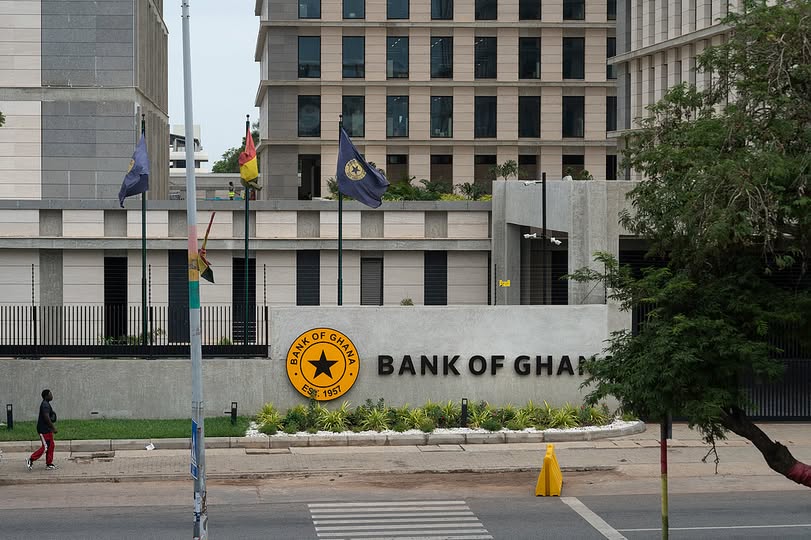
The Bank of Ghana (BoG) is expected to suspend further cuts to its policy rate as concerns grow over a possible return of inflationary pressures after months of steady decline.
According to Fitch Ratings, the central bank is likely to adopt a more cautious monetary policy stance following a cumulative 1,400 basis-point reduction in the policy rate between July 2025 and March 2026, which brought the benchmark rate down to 14 percent.
The ratings agency made the observation in a recent report that upgraded Ghana’s sovereign credit rating to B with a positive outlook.
“We anticipate Bank of Ghana will remain prudent and pause its easing cycle to prevent inflation risks from materialising,” Fitch stated in the report.

Recent inflation data appears to support that position. Figures released by the Ghana Statistical Service showed that headline inflation rose slightly to 3.4 percent in April 2026 from 3.2 percent in March, marking the first increase after 15 consecutive months of declining inflation.
The 0.2 percentage-point rise has raised concerns that price pressures may gradually be returning, potentially limiting room for additional monetary easing in the near term.
On a monthly basis, inflation recorded 1 percent in April, signaling stronger short-term price movements across the economy.
The increase was largely driven by higher costs in housing, water, electricity, gas and other fuels, which accounted for more than 37 percent of the overall inflation rate.
Although inflation remains considerably lower than levels recorded a year ago, analysts believe the latest figures could prompt the central bank to adopt a wait-and-see approach rather than continue with aggressive rate reductions.
Economists warn that additional cuts in interest rates could reignite inflation, particularly if consumer demand strengthens sharply or if external factors place renewed pressure on the cedi and import prices.
A pause in the easing cycle would allow policymakers time to evaluate the effects of previous rate cuts on inflation, exchange rate stability and broader economic performance.
The Bank of Ghana had aggressively reduced rates over the past several months to stimulate economic growth, lower borrowing costs and improve access to credit for businesses and households following an extended period of tight monetary policy.
However, with inflation risks beginning to re-emerge, preserving macroeconomic stability may now become the central bank’s primary focus.
Analysts say future policy decisions will likely depend on the direction of inflation, movements in the exchange rate and developments in the global economic environment in the coming months.
Source: businesspostonline