

Sub‑Saharan Africa’s economic recovery is showing signs of strain as mounting global and domestic pressures cloud the region’s growth outlook, according to the World Bank Group’s latest Africa Economic Update.
The biannual report reveals that growth projections for 2026 have been revised downward by 0.3 percentage points compared to estimates published in October 2025.
Economic expansion across Sub‑Saharan Africa is now expected to hold steady at 4.1 percent in 2026, unchanged from 2025, but with rising downside risks that could derail momentum.
The World Bank points to escalating geopolitical tensions, including the conflict in the Middle East, alongside high public debt levels, structural bottlenecks, and tightening global financial conditions as key threats to sustained growth and job creation in the region.

Rising prices of fuel, food, and fertilizer are projected to drive inflation higher, disrupt economic activity, and disproportionately impact low‑income households, which spend a larger share of their income on basic necessities.
Inflation across the region is forecast to rise to 4.8 percent in 2026, driven largely by global supply pressures linked to the Middle East conflict.
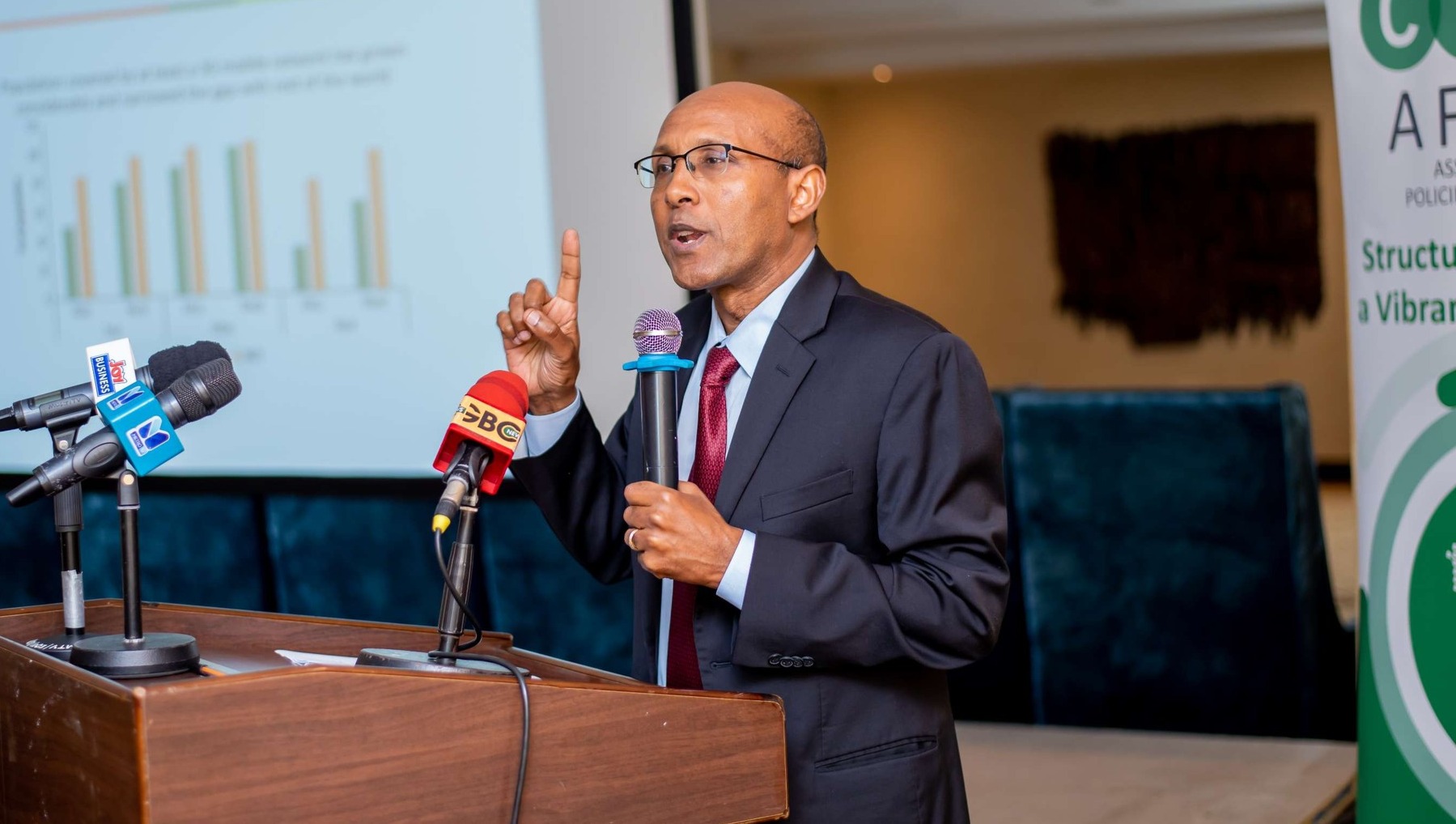
“In the short term, governments should target scarce resources to protect the most vulnerable households,” said Andrew Dabalen, Chief Economist for the World Bank’s Africa Region.
“Maintaining macroeconomic stability through inflation control and prudent fiscal management will be critical to weather the current shock and support a faster recovery.”
The report highlighted worsening debt dynamics, with high public debt and rising debt service costs constraining governments’ ability to invest in development priorities such as infrastructure, health, and education.
Public capital investment across the region remained about 20 percent below its 2014 level, while external public debt service had doubled as a share of government revenue — from 9 percent in 2017 to 18 percent in 2025.
Declining external financing, including reduced development assistance, is further tightening fiscal space, particularly for low‑income countries.
With more than 620 million people expected to enter Africa’s labour force by 2050, the World Bank stressed the urgency of shifting toward more productive, diversified, and private‑sector‑led growth to create enough quality jobs.
A special focus of the Africa Economic Update is the role of industrial policy in driving economic transformation. The report argued that well‑designed industrial policies could help countries tap into growing demand for African goods — from critical minerals needed for emerging technologies to pharmaceutical products — while strengthening domestic value chains.
However, the World Bank cautioned that industrial policy must be used selectively and strategically, grounded in realistic assessments of each country’s capabilities and constraints.
To be effective, such policies should prioritize:
- Economic activities rather than individual firms
- Clear performance benchmarks
- Credible exit strategies
- Strong implementation capacity
- Supportive ecosystems, including reliable infrastructure, skilled labour, access to finance, and regional market integration
The report underscored the importance of deeper regional integration, particularly through the African Continental Free Trade Area (AfCFTA), to avoid fragmented and ineffective industrial efforts.
Without disciplined policymaking and stronger regional coordination, the World Bank warned that industrial policy risks producing isolated industrial enclaves rather than broad‑based economic transformation capable of delivering sustained growth and employment.
By: Christian Akorlie / businesspostonline