

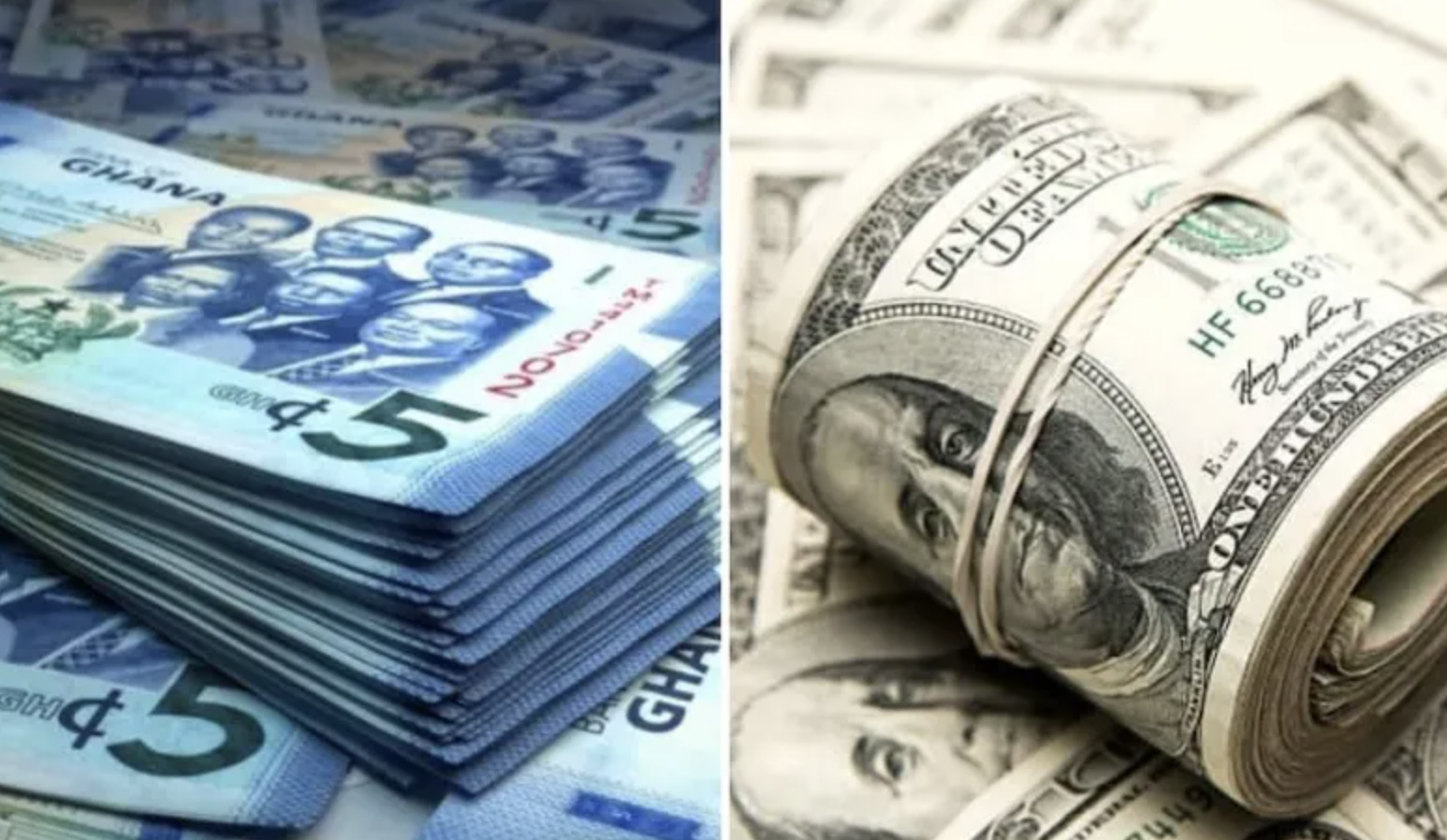
The Ghana cedi is expected to remain broadly stable over the medium term, supported by the Bank of Ghana’s foreign exchange interventions and improving macroeconomic fundamentals, according to PwC Ghana.
Speaking on the sidelines of the launch of the PwC Ghana 2026 Banking Survey in Accra, Country Senior Partner Vish Ashiagbor said recent measures by the central bank to improve dollar liquidity have helped ease pressure on the local currency and strengthened confidence in its outlook.
Although the cedi has experienced periods of volatility this year, Mr. Ashiagbor said the Bank of Ghana’s interventions have been effective in stabilising the foreign exchange market and are expected to keep the currency trading within its current range.
“We have seen some pressure recently, but we have also seen the Bank of Ghana inject some dollars into the market to stabilise the currency. From a medium-term perspective, we continue to believe that the cedi will operate within the current band. We do not expect to see any major appreciation or depreciation in either direction,” he said.

His comments follow the Bank of Ghana’s decision to inject US$2.01 billion into the foreign exchange market in June 2026 to support the cedi and meet growing demand for foreign currency. The intervention comprised US$1.2 billion supplied through the Forex Intermediation Programme and an additional US$811 million under the Bank’s FX Intervention Programme, helping the cedi record its first monthly appreciation against the US dollar this year.
Beyond the exchange rate outlook, Mr. Ashiagbor also expects the Bank of Ghana to maintain its current monetary policy stance at its next Monetary Policy Committee (MPC) meeting.
According to him, the inflation risks identified by the central bank have already been incorporated into its previous decision to leave the Monetary Policy Rate unchanged, making another pause the most likely outcome.
“If you listen to the governor’s remarks from previous MPC meetings, he has always indicated that the risk was there, but he also indicated that those risks were taken into consideration in the decision to hold the rate at the last meeting. So, we would not be surprised if the rate continues to hold, because the risk of inflation increases had already been factored into that decision,” he explained.
The relatively optimistic outlook comes as Ghana continues to post improvements in several key macroeconomic indicators, including greater exchange rate stability, easing inflationary pressures and improving investor confidence.
However, PwC cautioned that the evolving economic environment presents fresh challenges for the banking industry. The 2026 Ghana Banking Survey notes that as interest rates moderate, banks will need to rethink their business models and diversify their revenue streams, as traditional sources of income are expected to come under increasing pressure.
Source: businesspostonline