

West African leaders have intensified calls for a structural shift in the region’s mining and energy sectors, urging a move away from raw material exports towards value addition, industrialisation and sustainable development.
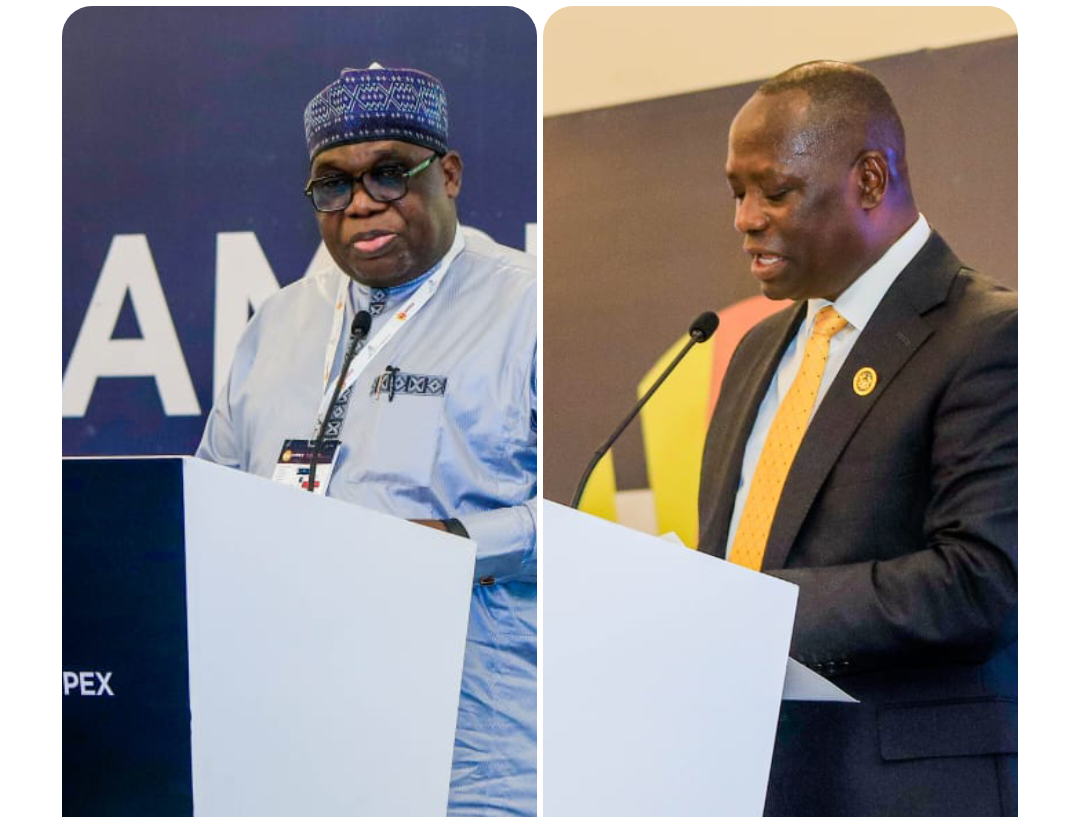
At the 2026 West Africa Mining and Power Expo (WAMPEX) in Accra, Ghana’s Lands and Natural Resources Minister, Armah Kofi Buah, and Nigeria’s Minister of Solid Minerals Development, Dele Alake, delivered converging messages centred on responsible mining, energy integration, and regional cooperation.
The three-day conference, running from June 3–5, is being held under the theme: “How Can Responsible Mining and Power Accelerate West Africa’s Sustainable Development?”
Opening the conference on behalf of President John Mahama, Mr. Buah described the moment as pivotal for a region richly endowed with gold, bauxite, lithium, iron ore and other critical minerals.

“West Africa has a clear opportunity to convert its mineral wealth into industrial growth, jobs and long-term prosperity,” he said, urging stakeholders to move “from discussion to movement.”
Mr. Buah said Ghana is deliberately transitioning from a “resource-rich” to a “value-driven” mining economy, where success is measured by job creation, industrial growth and social impact—not just output.
Ghana outlined ongoing reforms to modernise its mining sector, including regulatory upgrades, digital permitting systems and stronger coordination among institutions like the Minerals Commission and Environmental Protection Authority.
Mr. Buah said these measures aim to improve transparency, efficiency and predictability for investors.
“Ghana remains committed to providing a stable, predictable and transparent legal and fiscal environment,” he said.
Addressing one of the sector’s most pressing challenges, Mr. Buah described illegal mining as a threat to Ghana’s environment and economic integrity.
“Poisoned waterways, destroyed forests and lost revenue — this is not acceptable,” he said, pointing to strengthened enforcement and the establishment of specialised anti-illegal mining units.
On his part, Mr. Alake echoed the urgency, framing the current global demand for critical minerals—driven by clean energy and digital transitions—as a historic opportunity.
“Africa must not watch these transformations from the sidelines,” he said. “We must position ourselves at the centre of the emerging global economic architecture.”
Mr. Alake criticised the long-standing export of raw materials, arguing that it has left African economies at a disadvantage.
“Africa cannot continue exporting jobs and importing poverty,” he said, outlining Nigeria’s shift from a “pit-to-port” to a “mine-to-market” framework focused on local processing, refining and manufacturing.
Both ministers emphasised value addition in emerging minerals such as lithium, a key input in battery technology, with Ghana in particular signalling its intent to retain more value locally through beneficiation.
In Nigeria, Mr. Alake highlighted reforms under President Bola Tinubu’s “Renewed Hope Agenda,” including improved geological data, tighter licensing processes, enhanced security at mining sites and stronger anti-illegal mining efforts.
Both countries stressed that sound governance frameworks remain critical to attracting long-term investment and safeguarding community interests.
Mr. Alake underscored the need for responsible mining practices across the region, linking sustainability directly to long-term sector viability.
He called for stronger environmental compliance, community inclusion, occupational safety and adoption of global ESG standards.
“Mining cannot be truly successful if it leaves communities impoverished or ecosystems degraded,” he noted.
A significant point of alignment was the interdependence of mining and energy.
Mr. Buah stressed Ghana’s push to align mining policy with its energy strategy, noting that industrialisation cannot proceed without reliable power.
Mr. Alake reinforced the point, warning that inadequate energy supply remained a major constraint to industrial growth across West Africa.
“Sustainable mining cannot thrive without sustainable power,” he said, calling for regional energy cooperation, cross-border infrastructure and increased investment in renewables.
Both ministers stressed that national efforts alone were insufficient to fully harness the region’s potential.
Mr. Buah called for stronger policy alignment to reduce fragmentation and boost investor confidence, while Mr. Alake highlighted regional integration as essential for competitiveness.
“No single country can achieve these ambitions alone,” Mr. Alake said, urging collaboration in infrastructure, trade, research and investment promotion.
As global supply chains shift and demand for critical minerals surges, the ministers urged decisive and coordinated action.
Mr. Buah challenged stakeholders to ensure WAMPEX 2026 delivers measurable outcomes, while Mr. Alake encouraged a focus on practical solutions.
“Let us ensure Africa’s mineral and energy wealth becomes a catalyst for sustainable development, peace and shared prosperity,” he said.
The conference is expected to bring together policymakers, investors, and industry leaders to explore strategies for aligning mining and energy development with sustainable growth goals across West Africa.
WAMPEX is regarded as the region’s leading mining and power industry platform, attracting stakeholders from across Africa and global markets to shape policy, investment and innovation in the sector.
Source: businesspostonline