

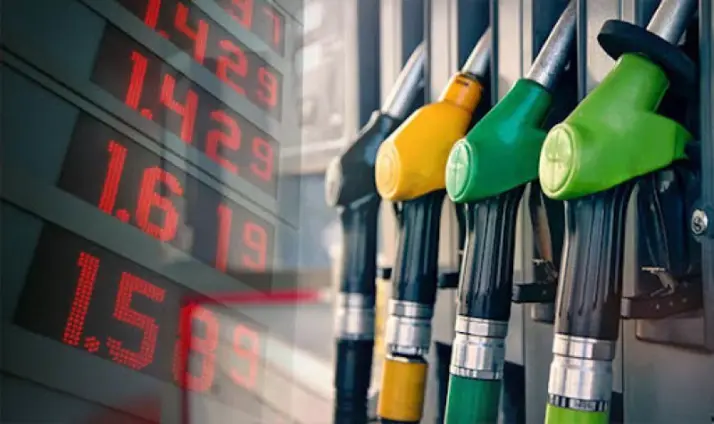
Ghana’s fragile inflation recovery is facing renewed pressure as global oil prices surge amid worsening geopolitical tensions in the Persian Gulf.
Petroleum industry projections suggest fuel prices could rise sharply from May 16, raising concerns among businesses and consumers over the potential impact on transport costs, food prices and industrial activity.
The Chamber of Oil Marketing Companies (COMAC) estimates that petrol prices may increase to around GH¢14.50 per litre if government extends temporary relief measures introduced last month. Without those interventions, prices could rise to as high as GH¢15.80 per litre, while diesel could surpass GH¢18 per litre.
The expected adjustment follows a spike in international crude oil prices, which have climbed above US$100 per barrel due to fears of supply disruptions linked to tensions involving Iran and western allies in the Gulf region.

Economic analysts warn that higher fuel prices could undermine recent gains in inflation control and place additional pressure on households still recovering from the economic difficulties experienced between 2022 and 2024.
Diesel prices are of particular concern to businesses because of their direct impact on transportation, manufacturing and mining operations.
Transport operators and industrial consumers say sustained increases could trigger a broader rise in operating costs across the economy.
The Bank of Ghana has already identified global fuel price shocks as one of the major upside risks to inflation in 2026.
Analysts say the recent stability of the cedi has helped reduce some of the impact of rising global oil prices, but continued increases in crude prices could force authorities to intensify foreign exchange interventions to support the local currency.
Government is now weighing several options, including temporary tax reliefs and selective suspension of petroleum levies, to moderate the impact on consumers without undermining fiscal consolidation efforts.
However, economists caution that Ghana’s room for manoeuvre is more limited than during previous commodity shocks because of tighter fiscal controls following the country’s debt restructuring programme.
With the mid-year budget review approaching, policymakers face mounting pressure to strike a balance between protecting consumers from rising living costs and maintaining confidence among investors and international lenders.
By: Toma Imirhe / businesspostonline