

The prospect of renewed military action in the Persian Gulf is rapidly becoming Ghana’s next major economic headache, with the country already bracing for another upward adjustment in petroleum prices from May 16 under the second pricing window for the month. Industry projections indicate that even with current government relief measures in place, retail fuel prices are likely to rise by between 2.5 percent and 3 percent, while a failure to extend those interventions could trigger much sharper increases.
The latest projections from the Chamber of Oil Marketing Companies (COMAC) suggest petrol could rise to around GH¢14.50 per litre if government extends the temporary cushioning measures introduced in April. Without those measures, however, petrol prices could jump to as high as GH¢15.80 per litre, while diesel could exceed GH¢18 per litre.
At the centre of the challenge is the renewed spike in global crude oil prices following tensions between Iran and western allies – primarily the United States and Israel – in the Gulf region. International benchmark crude prices are trading above US$100 per barrel again, reviving fears of supply disruptions through the Strait of Hormuz, one of the world’s most strategic oil shipping routes.
For the Government of Ghana, the issue has become both an economic and political test ahead of the 2026 mid-year budget review expected in July. Rising fuel prices threaten inflation, transport fares, food prices and business operating costs at a time when authorities are trying to consolidate macroeconomic stability and preserve recent gains in cedi stability.

The first option available to government is the continuation — and possible expansion — of the fuel relief programme introduced in April. Under that intervention, government temporarily absorbed portions of taxes and regulatory margins on petroleum products, including about GH¢2 per litre on diesel and smaller reliefs on petrol.
At the time, Government Communications Minister Felix Ofosu Kwakye had indicated that the measures were intended to cushion consumers from the impact of rising global crude prices.
Energy market analysts believe extending the intervention is now the most politically realistic short-term response. Fitch Ratings has already projected that the programme could continue beyond May because the fiscal impact remains manageable in the immediate term.
But while consumers would welcome an extension, the implications for government finances are significant. Suspending or reducing fuel-related levies deprives government of revenues earmarked for the energy sector recovery programme and road infrastructure financing. Ghana’s energy sector still carries substantial legacy debts accumulated over years of under-recovery and payment arrears.
Some policy advocates are therefore warning against broad-based subsidies. The Institute for Energy Security has urged government instead to suspend selected levies such as the Price Stabilisation and Recovery Levy on a temporary basis rather than adopt permanent subsidy mechanisms that could worsen fiscal pressures.
Another option under consideration is targeted tax relief. Discussions within policy circles have reportedly focused on temporarily reducing the Energy Sector Levy and portions of the Special Petroleum Tax. Such a move would directly moderate ex-pump prices, but would also reduce government revenues at a time when the Finance Ministry is under pressure to maintain fiscal consolidation targets agreed under Ghana’s economic reform programme.
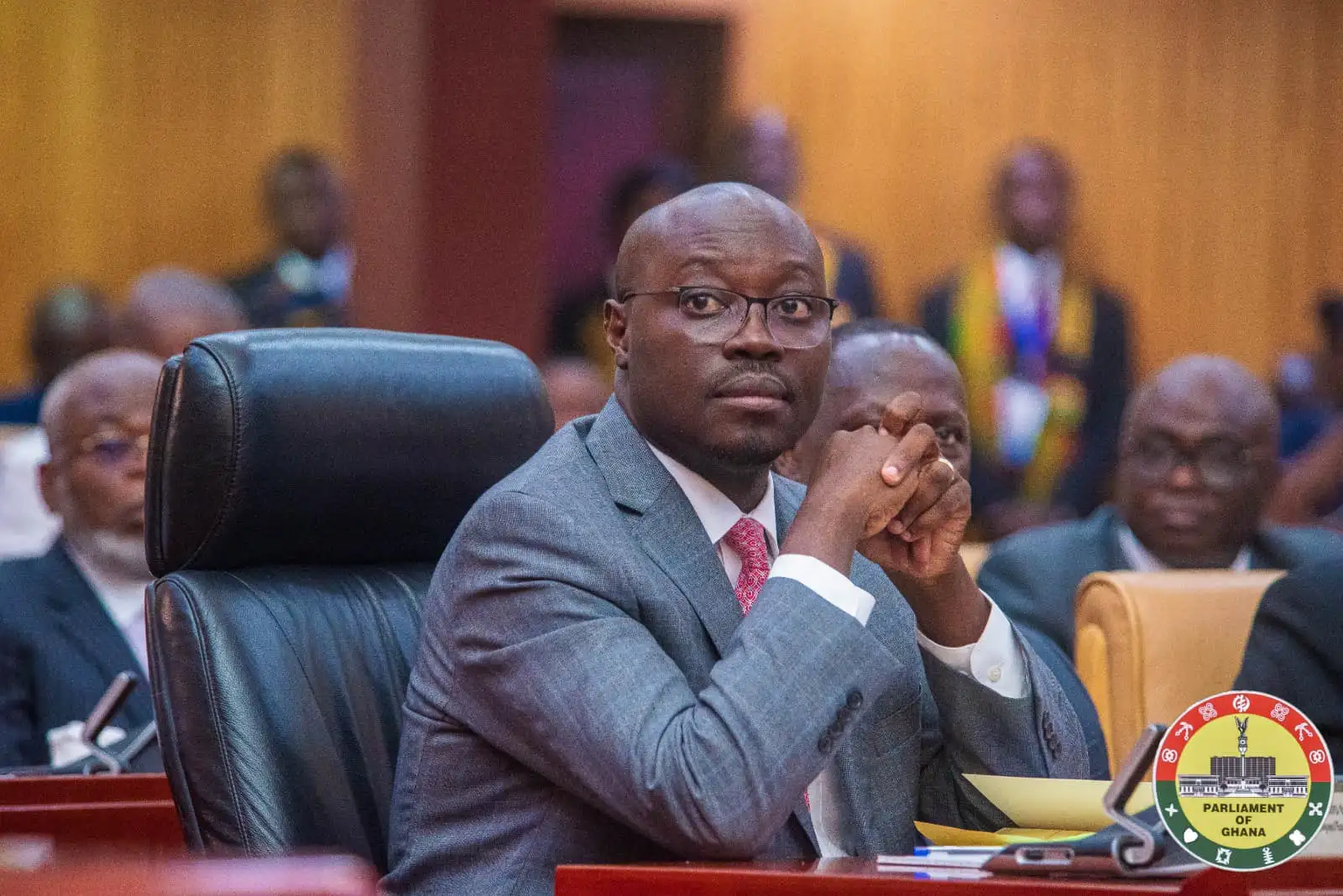
Finance Minister Cassiel Ato Forson is therefore expected to face a delicate balancing act during the mid-year budget review: cushioning households while preserving fiscal credibility with investors and multilateral lenders at a time Ghana would be on the verge of completing the ongoing three year International Monetary Fund progamme and would be seeking a strong exit endorsement from the Fund.
A third policy lever is exchange-rate management. Analysts note that the recent appreciation and relative stability of the cedi has already helped offset part of the increase in international petroleum prices. Since Ghana imports refined petroleum products in dollars, a stronger cedi reduces the local currency impact of global oil price increases.
The Bank of Ghana itself has acknowledged in recent Monetary Policy Committee assessments that fuel price shocks linked to geopolitical tensions represent one of the biggest upside risks to inflation in 2026.
Consequently, authorities are expected to intensify foreign exchange market interventions to prevent excessive cedi depreciation if global oil prices continue rising. However, this strategy also has limits because sustained currency support could weaken Ghana’s international reserves if crude prices remain elevated for several months. It is instructive that the BoG’s official exchange rate has already exceeded GHc11 to a dollar for the first time for the first time in nearly a 12 months, this already calling for central bank intervention.
Private sector stakeholders are already warning that higher fuel prices will spread through the wider economy. COMAC Chief Executive Dr Riverson Oppong has affirmed that the pricing outlook remains heavily dependent on geopolitical developments and government policy decisions.
Transport operators and industrial consumers are similarly concerned. Rising diesel prices particularly affect haulage firms, mining companies, manufacturers and power producers. Businesses fear that sustained increases could reverse the recent moderation in inflation and undermine consumer purchasing power.
Consumer groups, meanwhile, are urging government to avoid allowing transport fares and utility tariffs to rise simultaneously. Many households are only beginning to recover from the severe inflationary pressures experienced during the 2022–2024 economic crisis period.
Yet government’s room for maneuver is narrower than in previous commodity shocks. Unlike earlier periods when broad fuel subsidies were used aggressively, Ghana is now operating under stricter fiscal discipline after its debt restructuring programme. Every cedi spent cushioning fuel consumers potentially widens financing gaps elsewhere in the budget.
That reality means the most likely policy response will be a compromise approach: temporary and targeted reliefs, selective suspension of petroleum levies, aggressive exchange-rate support from the central bank, and continued reliance on market-based pricing rather than a return to universal fuel subsidies.
Whether that will be sufficient depends largely on events far beyond Ghana’s borders. If tensions in the Persian Gulf escalate into prolonged military conflict, authorities may eventually have to choose between protecting consumers and protecting fiscal stability — a choice that could define the tone of Ghana’s economic management for the rest of 2026.
By: Toma Imirhe / businesspostonline