

The Mo Ibrahim Foundation has urged African governments and their global partners to accelerate efforts toward continental integration, warning that persistent gaps in mobility and transport connectivity continue to hold back trade, economic growth, and job creation across Africa.
In a new report titled Africa on the Move: Boosting Mobility and Connectivity, released on Monday to coincide with the Africa Forward Summit in Nairobi, the Foundation highlights the urgent need to improve the movement of people, goods, and services while modernising infrastructure across the continent.
According to the report, Africa’s vast geographical span—covering more than 30 million square kilometres—combined with fragmented systems and policy barriers, continues to limit intra-African connections and slow the full implementation of the African Continental Free Trade Area (AfCFTA).
The Foundation noted that the benefits of integration are significant but largely unrealised.

Full implementation of the AfCFTA could increase intra-African trade from about 18 percent currently to 53 percent, expand the manufacturing sector by US$470 billion in additional income, and create 14 million jobs by 2035.
It also pointed out that migration within Africa is already substantial, with more than 72 percent of Sub-Saharan migrants remaining within the continent in search of better economic opportunities. Improved mobility, the report argues, would better support these trends and enhance labour market efficiency.
Despite these prospects, the report identifies major constraints on the free movement of people. Only four countries—Mali, Niger, Rwanda, and São Tomé and Príncipe—have ratified the African Union’s 2018 Free Movement of Persons Protocol.
Visa restrictions also remain widespread, with just 28 percent of Africans able to travel visa-free within the continent.
In addition, limited recognition of academic and professional qualifications across borders continues to restrict opportunities for students and workers.
Trade in goods and services also faces challenges beyond tariffs. Non-tariff barriers, including sanitary and phytosanitary regulations, labelling requirements, and administrative bottlenecks, significantly increase costs and delays.
Currency non-convertibility further undermines efficiency, costing the continent an estimated US$5 billion annually in conversion expenses.
On the infrastructure front, the report highlights long-standing structural weaknesses. Most transport systems were originally designed to facilitate the export of raw materials to external markets rather than to support intra-African trade.
Road transport remains dominant but is often unreliable due to poor conditions and safety concerns. Rail systems suffer from outdated technology, lack of interoperability, and high operating costs. At least 13 African countries—many of them landlocked—still lack direct rail links to seaports.
Air transport within Africa, while growing, remains expensive and limited, while inland waterways are largely underutilised despite their potential.
As a result, travel within Africa is often slower, more expensive, and less direct than comparable journeys in other regions.
The report acknowledges increased engagement by international partners in Africa’s infrastructure development. China’s Belt and Road Initiative has played a major role, although many projects continue to prioritise export routes.
Meanwhile, the European Union’s Global Gateway initiative aims to develop “strategic corridors” to improve regional connectivity across Sub-Saharan Africa.
However, the Foundation cautions that infrastructure expansion must also address environmental concerns, including dependence on high-carbon materials such as steel and cement, while ensuring resilience against climate-related disruptions.
The Mo Ibrahim Foundation emphasised that closing Africa’s mobility and connectivity gaps will require stronger political will from governments alongside financial support and technical expertise from partners.
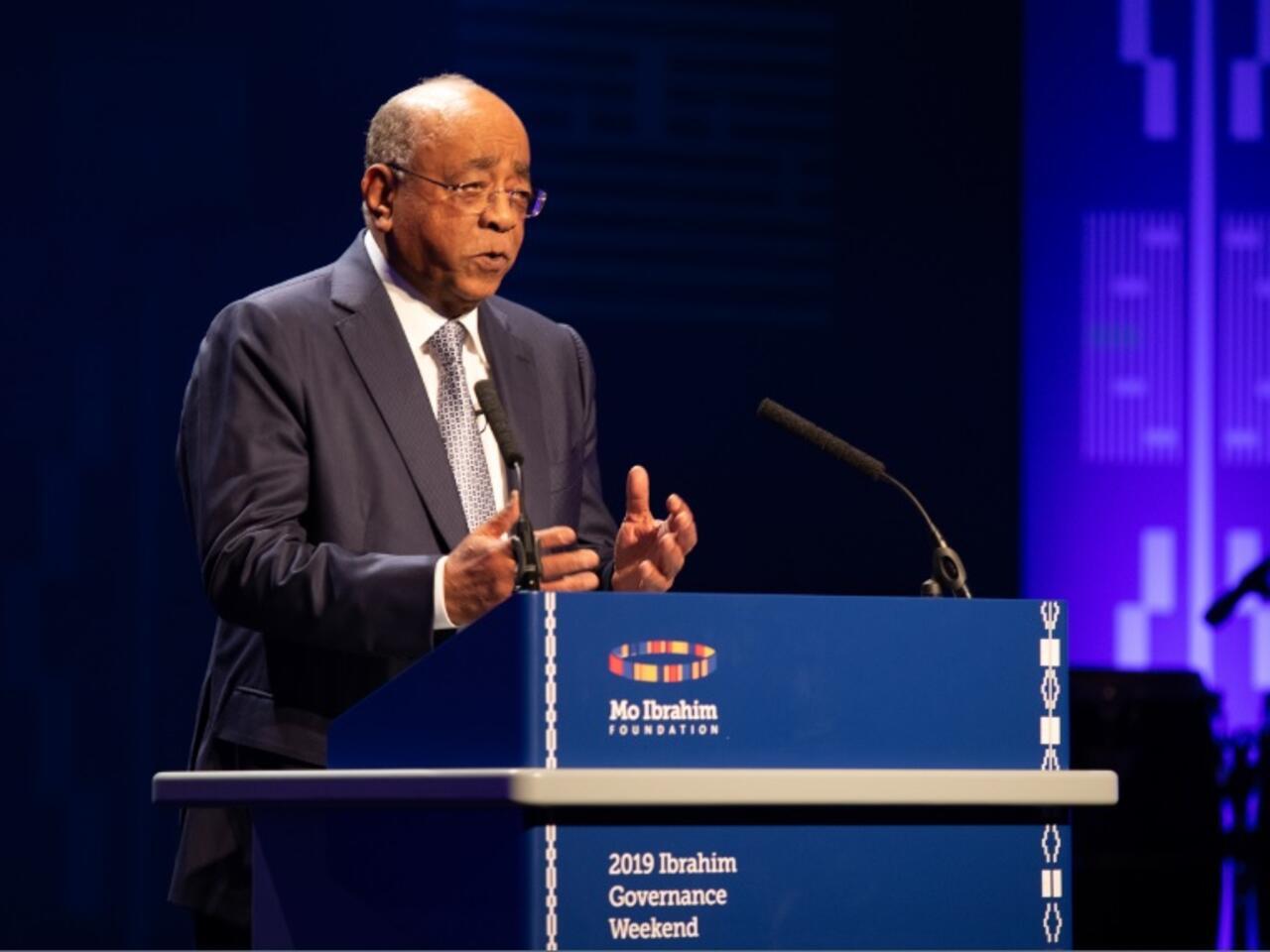
Mo Ibrahim, Founder and Chair of the Foundation, stressed the urgency of the issue.
“Africa will not harness its potential while mobility is restricted and connectivity remains outdated,” he said.
“We talk endlessly about African integration and then make it harder for an African citizen to cross a border within their own continent than to leave it altogether. That must change.”
He added that accelerating regional integration would allow Africa to better leverage its natural resources, growing population, and economic opportunities.
The report concludes that investing in mobility and connectivity presents a clear pathway to deeper economic integration, stronger domestic resource mobilisation, and improved employment prospects, particularly for Africa’s youthful population.
With the issue set to feature prominently at the upcoming 2026 Africa-France Summit, analysts say the findings could influence policy discussions on trade facilitation, infrastructure financing, and migration governance across the continent.
By: Christian Akorlie / businesspostonline