

Ghana’s fiscal programme for 2026 remains on track despite a recent wave of under-subscriptions in the Treasury bill market, as authorities adopt flexible borrowing strategies to manage short-term funding pressures.
Data from the Bank of Ghana shows that over a six-week period ending April 24, Treasury bill auctions consistently fell short of targets, with shortfalls ranging between 8 percent and over 30 percent.
In some auctions, the government raised only about 70 percent of its intended amounts, leaving weekly gaps of up to GH¢2.5 billion. However, these shortfalls have not significantly disrupted financing plans.
Instead, the government has recalibrated its approach—adjusting auction targets, selectively accepting bids to control borrowing costs, and turning to alternative funding sources such as longer-term bonds and central bank liquidity operations.

A recent seven-year bond issuance raised about GH¢3 billion, highlighting renewed access to medium-term financing. Authorities have also prioritised cost management, resisting sharp increases in yields despite weaker demand.
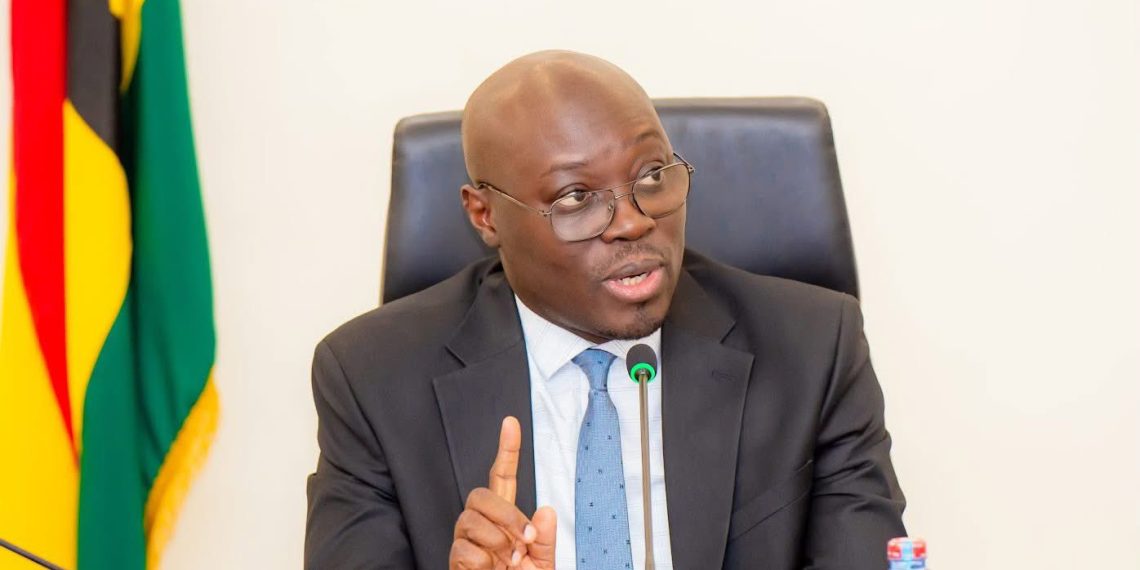
Officials, including Finance Minister Cassiel Ato Forson and BoG Governor Johnson Asiama, have consistently emphasised prudent debt management and diversification of funding sources.
Analysts say the current situation reflects tightening liquidity rather than a financing crisis, noting that the government retains flexibility in how it meets its borrowing needs.
By: Toma Imirhe / businesspostonline