

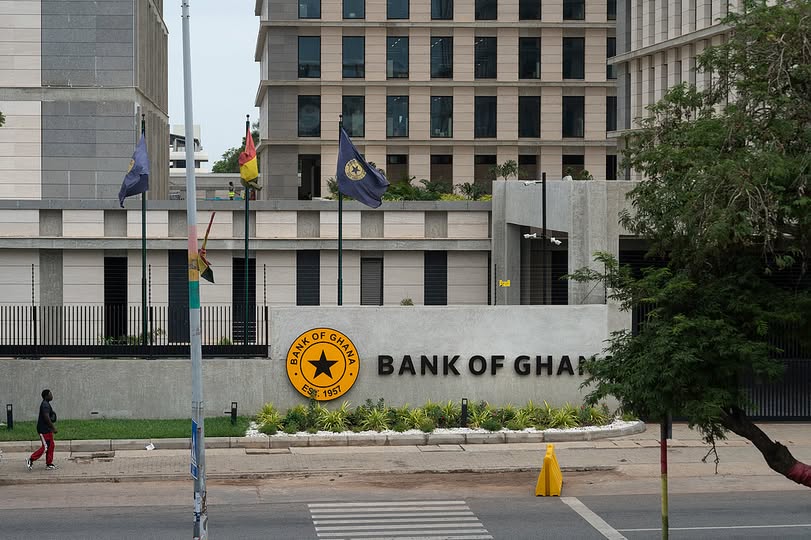
The Bank of Ghana (BoG) is seeking to intensify Ghana’s transition toward a fully digitised, inclusive and resilient financial ecosystem in 2026, as it advances implementation of its National Payments Systems Strategy (2025–2029) which commenced last year. The strategy, which succeeds the 2019–2024 framework, reflects a shift from foundational reforms to more sophisticated digital infrastructure and regulatory innovation.
At its core, the new roadmap is designed to “reimagine our payment systems for the next phase of Ghana’s digital economy,” according to First Deputy Governor Dr Zakari Mumuni.
Since implementation began in early 2025, the BoG has focused on laying the groundwork for a more integrated payments ecosystem. Stakeholder consultations, regulatory drafting and pilot programmes have dominated the initial phase.
The central bank has already advanced work on open banking guidelines, expanded interoperability frameworks and strengthened digital identity requirements through the Ghana Card. These measures are intended to deepen trust and enable seamless transactions across platforms.

The results so far build on gains from the previous strategy, under which Ghana witnessed the expansion of digital payment channels, deepened interoperability across platforms, and strengthened regulatory frameworks.
Industry operators say these early steps have reinforced Ghana’s position as a regional digital finance leader, with mobile money usage and fintech participation continuing to expand rapidly.
Indeed Ghana’s fintech ecosystem is now one of the largest in West Africa, with an estimated 200 fintech firms operating across payments, lending, insurtech, and regtech. The ecosystem includes both local companies, such as Expresspay, Zeepay, Nsano, JUMO and Hubtel as well as international players entering the market.
“The regulatory environment has been a key enabler” asserts Richie Santodiaz, a global economic development advisor and Managing Partner of Santos-Diaz LLC, specializing in international trade and foreign direct investment across the UK, Middle East, and North America
“The Bank of Ghana has introduced licensing frameworks, regulatory sandboxes, and innovation offices to support fintech growth. As of last year, dozens of fintech and payment service providers have been formally approved, reflecting a shift towards a more structured and compliant ecosystem. These developments signal a transition from rapid adoption to ecosystem consolidation and diversification.”
The push toward electronic Know Your Customer (e-KYC) systems has also accelerated onboarding, reducing reliance on paper-based processes and lowering compliance costs.
Key initiatives for the rest of 2026
For the remainder of 2026, the BoG is expected to shift from consultation to execution, with several high-impact initiatives scheduled for rollout.
A major priority is the operationalisation of open banking frameworks, allowing secure data-sharing between banks and fintech firms. This is expected to catalyse innovation in payments, lending and embedded finance. The BoG believes such frameworks will “lower entry barriers and broaden access to financial services.”
Implementation timelines suggest pilot phases in 2026, followed by gradual scaling across institutions.
The central bank will also deepen integration of digital identity systems into financial services. By mandating the Ghana Card for onboarding, BoG aims to enable fully digital account opening and reduce fraud risks. With cyber incidents rising alongside digital adoption, BoG also plans tighter oversight and enhanced security standards. The central bank has warned that cyber threats and online fraud could undermine confidence if not addressed decisively.
Another cornerstone initiative is the creation of shared public digital infrastructure—sometimes described as “public rails”—to support instant payments, interoperability and fintech innovation. This is expected to reduce duplication of investment and improve efficiency across the ecosystem.
The strategy also envisions greater interoperability with regional payment systems, positioning Ghana as a hub for cross-border digital transactions within West Africa.
Aiming for inclusion, efficiency and competitiveness
The rationale behind these initiatives is rooted in three strategic objectives: financial inclusion, system efficiency and global competitiveness.
First, digital infrastructure such as open banking and e-KYC is expected to bring more Ghanaians—particularly those in underserved communities—into the formal financial system. By lowering onboarding costs and enabling new service providers, the BoG hopes to expand access significantly.
Second, interoperability and shared infrastructure aim to reduce transaction costs and improve speed. Payment systems are now viewed as “critical networks that underpin economic activity and enable real-time transactions.”
Finally, the BoG is seeking to position Ghana as a regional fintech hub. The strategy explicitly targets a globally competitive payments ecosystem capable of supporting innovation in areas such as digital assets and tokenisation.
If successfully implemented, the initiatives planned for 2026 could have far-reaching effects on Ghana’s financial sector.
For consumers, the most immediate benefits will be convenience and cost reduction, with faster and cheaper digital transactions. Businesses—especially SMEs—stand to gain from improved access to digital payments and credit.
For the financial sector, increased competition from fintech firms is expected to drive innovation, although it may also compress margins for traditional banks.
Market analysts anticipate that open banking could unlock new revenue streams, particularly in data-driven financial services, while enhanced digital identity systems could significantly reduce fraud and compliance risks.
But there are potential shortcomings and risks
Despite its ambitious scope, the strategy is not without potential weaknesses.
One major concern is cybersecurity. As digital transactions expand, so too does the risk of fraud and cyberattacks. BoG data indicates a sharp rise in cyber incidents, highlighting the need for robust safeguards.
Another risk is market concentration. The dominance of a few large platforms—particularly in mobile money—could limit competition and undermine the inclusivity goals of the strategy.
There are also concerns about regulatory capacity. Implementing open banking and managing data-sharing frameworks require sophisticated oversight, which may stretch existing institutional capabilities.
Fintech saturation is another emerging issue. Industry observers note that Ghana’s payments space is becoming crowded, with many firms offering similar services, potentially limiting innovation and profitability.
Finally, infrastructure gaps—particularly in rural areas—could slow adoption and widen the digital divide if not addressed.
Looking on the bright side
Overall, the Bank of Ghana’s National Payments Systems Strategy represents a bold attempt to future-proof the country’s financial system. By combining regulatory reform with digital infrastructure investment, the central bank is positioning Ghana for the next phase of financial innovation.
“The transition… represents not just continuity, but transformation,” Dr Mumuni emphasizes..
The success of the strategy in 2026 will depend on execution—particularly the ability to balance innovation with stability, expand access while maintaining trust, and foster competition without fragmenting the market.
If these challenges are effectively managed, Ghana could consolidate its status as one of Africa’s most advanced digital payments ecosystems.
By: Toma Imirhe / businesspostonline