

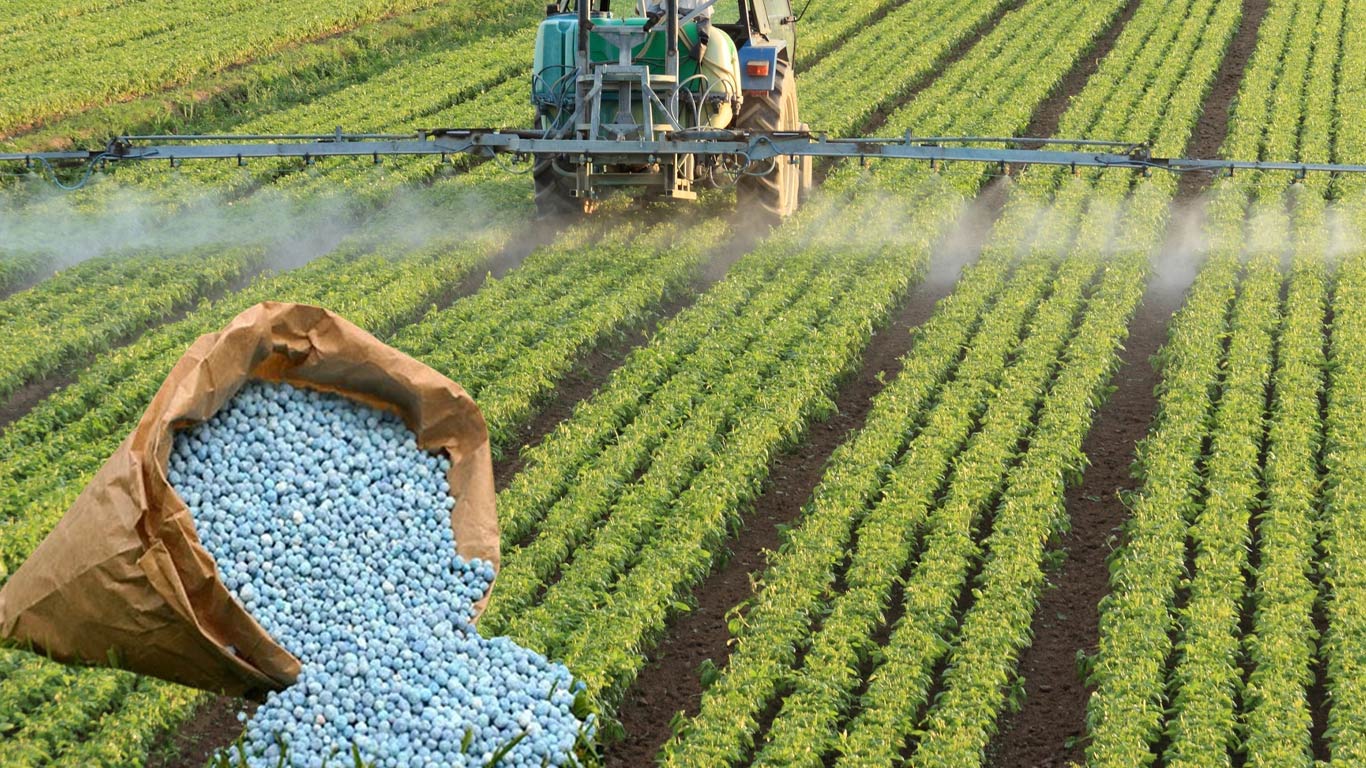
The World Bank has said the ongoing war and the current geopolitical tension in the Middle East, is a key concern, regarding a potential shortage and access to fertilizer, including possible price hikes for other key agriculture inputs.
Speaking at a World Bank Civil Society Organisation Engagement on food security in Accra, Agricultural Economist at the World Bank Ghana office, Dr. Ashwini Rekha Sebastian, said the tensions is creating anxiety about price surge and shortage, not just with input supply, but with key staples including rice.
Global fertilizer prices are soaring—with urea rising over 50 percent to over US$700 per tonne – as the Middle East crisis disrupts key supplies, particularly nitrogen-based products.
The conflict threatens shipments through the Strait of Hormuz, fueling a 24 percent increase in ammonia prices and causing severe shortages due to natural gas bottlenecks.

Indeed, global Urea prices have risen from under US$425 per metric tonne to over US$600–US$700 per tonne, as prices for ammonia have risen 24 percent, from US$495 per tonne in late February to over US$600 per tonne in mid-March.
Despite the global threats, Dr Sebastian said some progress has been made and a lot more can happen if the right and targeted investment is put into Ghana’s agriculture.
Dr Sebastian said the World Bank has targeted several investments with financial commitments in key sub-sectors of the overall agriculture sector.
According to her, the Bank has committed some US$75 million to a cocoa rehabilitation initiative aimed at restoring about 25,000 hectares of cocoa farms across Ghana, as the sector faces mounting pressure from disease outbreaks and declining productivity.
The funding, sourced under its West Africa Food Systems Resilience Programme (FSRP), with oversight from the Ministry of Food and Agriculture, will support efforts to revive farmlands severely affected, to improve yields, strengthen farmer incomes, and enhance the long-term sustainability of the cocoa sector.
Dr. Sebastian explained that beyond cocoa, the programme is supporting seed system development in selected clusters, including trials of improved crop varieties of tomato that can withstand dry season conditions, particularly in northern Ghana.
“We have US$12 million intervention for commercial poultry farmers, US$200 million grant intervention for tree crops, and up to US$20 million grant facility to boost tomato production,” she noted.
The Project Coordinator for the FSRP in Ghana, Mr. Osei Owusu Agyeman said the Programme, apart from its focus on other key sectors, also aims to produce 6,000 metric tonnes of tomatoes to reduce the need for imports, which currently fill a gap due to low local production.
By training 1,500 farmers and providing climate-smart seeds and inputs, the project aims for 15-20 tons per hectare yields, tackling post-harvest losses and off-season shortages.
Key CSOs that participated in the meeting, include, the Economic Governance Platform (EGP), Peasant Farmers Association (PFAG), Rice Farmers and Millers Association, and the Ghana National Association of Poultry Farmers.
The Dialogue forms part of an ongoing collaboration between the World Bank and the EGP, to foster evidence-based policy and progressive reform and focused discourse among key development actors on agriculture in Ghana.
Source: B&FT