

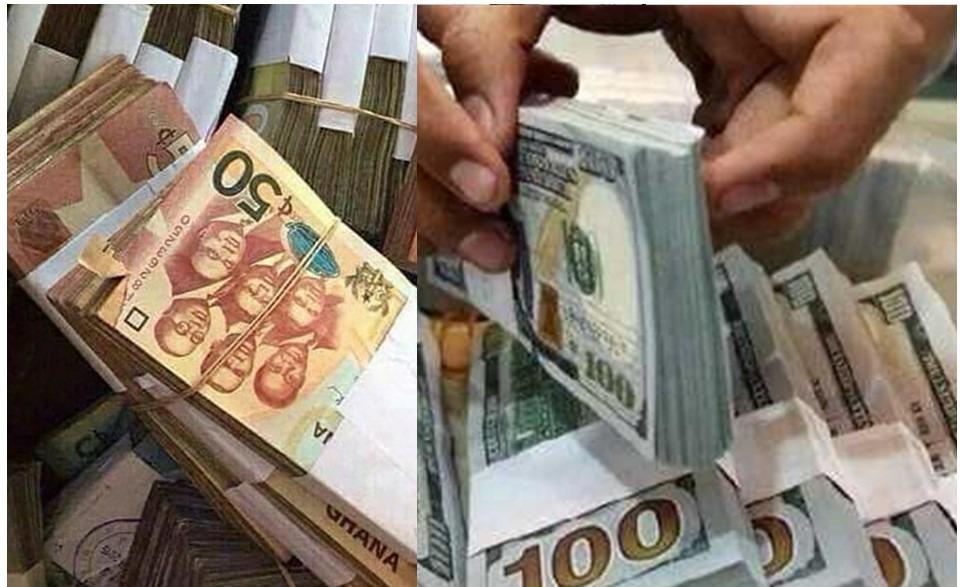
The Ghana cedi’s depreciation against the US dollar has widened to 10.6 percent in November 2026, from 9.5 percent in September, as foreign exchange supply constraints renew pressure on the local currency.
The latest Summary of Economic and Financial Data from the Bank of Ghana (BoG) shows the cedi trading at GH¢11.69 to the dollar in November, compared with GH¢11.66 in September.
The local currency also weakened against other major international trading currencies, depreciating by 9.2 percent against the British pound and five percent against the euro on the interbank market.
It traded at GH¢15.47 to the pound and GH¢12.92 to the euro during the period.

The performance reflects a challenging year for the cedi, characterised by bouts of depreciation and intermittent recoveries, partly supported by foreign exchange interventions from the central bank.
Pressure is expected to persist into 2027, with Fitch Solutions projecting an average exchange rate of GH¢12.40 to the US dollar as gold price moderation and efforts to rebuild international reserves weigh on foreign currency supply.
Associate Director at Fitch Solutions, Mike Kruiniger, said these developments could reduce dollar availability on the domestic market and trigger renewed price pressures.
He explained that the transfer of foreign exchange intermediation responsibilities from the BoG to the Ghana Gold Board, coupled with lower international gold prices and reserve accumulation under the Ghana Reserve Accumulation Programme, could constrain dollar supply.
Mr. Kruiniger further cautioned that a stronger US dollar could push international gold prices lower, reducing Ghana’s export earnings and weakening foreign exchange inflows.
Such developments, he said, could intensify pressure on the cedi and increase the cost of imported goods and industrial raw materials, with potentially adverse implications for domestic inflation.
The projected depreciation therefore presents fresh risks to price stability, particularly as businesses remain exposed to the cost of imported inputs.
Source: businesspostonline