

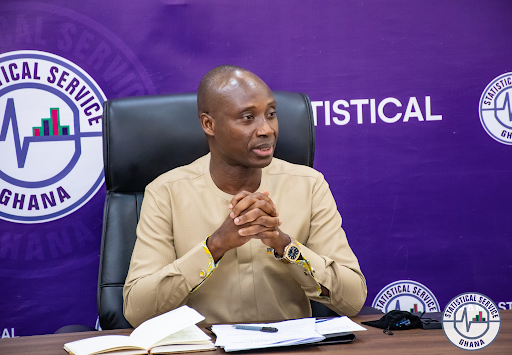
Ghana’s inflation rate could rise to 6.0 percent in October 2026, up from 5.2 percent in September, as higher transport fares, fuel costs and food prices threaten to interrupt the country’s prolonged disinflation trend.
The projection by local financial services institution International Capital Group (IC Group) comes ahead of the Ghana Statistical Service’s release of October Consumer Price Index figures on November 11, just a day before Finance Minister Dr Cassiel Ato Forson presents the 2027 Budget to Parliament.
The anticipated increase would represent a 0.8 percentage-point rise in annual inflation, raising fresh questions about the government’s ambition to bring the rate down to five percent by December.
IC Group attributes the expected acceleration largely to the full impact of an eight percent increase in administrative transport fares, which it believes was not adequately captured in September’s inflation figures.

Higher fuel prices, underpinned by international crude oil prices exceeding US$100 per barrel in its modelling assumptions, are also expected to feed into transportation and distribution costs.
Food prices present another source of concern, with less favourable supply conditions compared with October 2025 potentially pushing the food component of inflation higher.
The September figures already showed signs of renewed pressure, with food inflation rising from 3.0 percent in August to 4.0 percent, although non-food inflation declined from 6.8 percent to 6.2 percent.
Services inflation remained particularly elevated at 8.3 percent, compared with 4.2 percent for goods.
These developments suggest that domestic production, distribution and service delivery costs are becoming increasingly important drivers of consumer prices.
Meanwhile, Trading Economics’ Global Macro Models projects inflation could reach 7.1 percent by the end of the fourth quarter, although it expects the rate to remain within single digits into 2027.
The October inflation announcement will therefore be particularly significant for fiscal and monetary policy planning.
With the government preparing its 2027 fiscal programme and the Bank of Ghana maintaining a cautious approach to monetary easing, the emerging price pressures could complicate efforts to sustain economic recovery while preserving recent disinflation gains.
By: Toma Imirhe / businesspostonline