

With the Government of Ghana accelerating its flagship energy generation policy – dubbed Gas to Power – several key strands are expected to be concretized over the remaining five months of the year, as revealed by Finance Minister Dr Cassiel Ato Forson, during his 2026 mid-year fiscal policy review presentation to Parliament almost a fortnight ago.
Ghana’s current electricity generation mix is dominated by thermal power at roughly 73 percent (heavily reliant on natural gas with a backup of liquid fuels) and hydropower at approximately 26 percent, with minor non-hydro renewables making up the rest. Over the past three years, thermal generation share has grown due to reduced hydro inflows, but periodic natural gas shortages have forced a sharp, expensive spike in liquid fuel usage.
“Government remains firmly committed to its Gas-to-Power Strategy, which is replacing expensive light crude oil with cleaner and cheaper natural gas” he assured
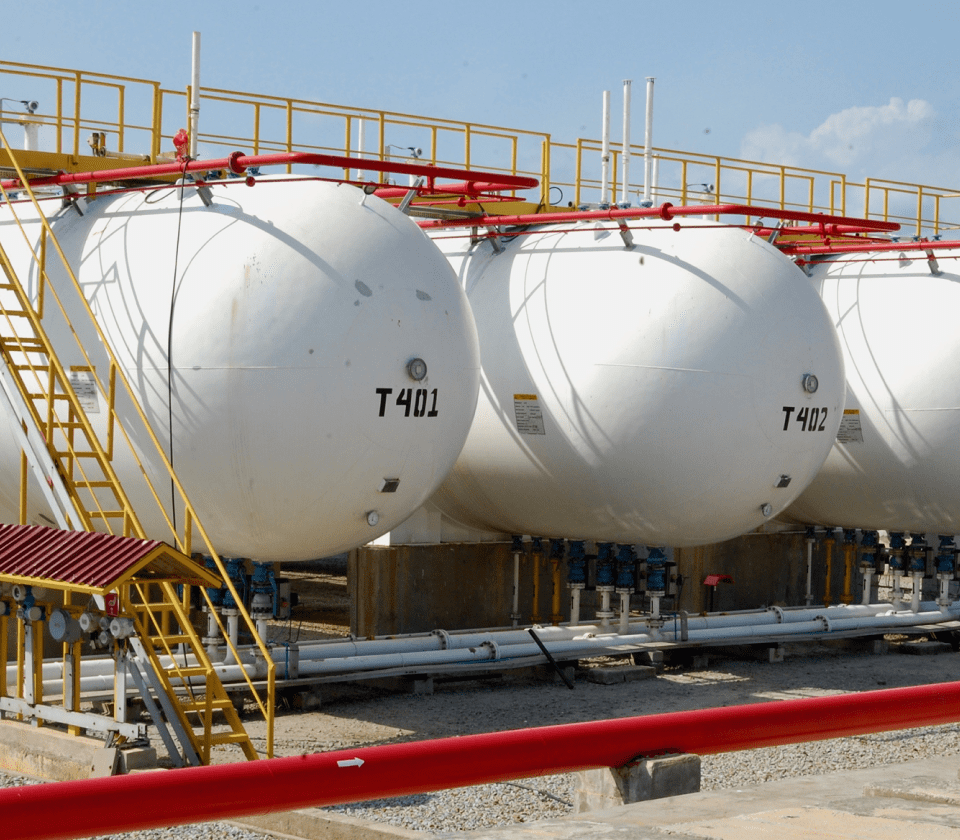
Firstly, government is developing a new integrated gas processing facility with an initial capacity of about 100 mmscfd through a public-private partnership. Land acquisition, environmental studies, engineering design, financial due diligence and project structuring are already underway, with financial close expected before the end of 2026. This is in response to Ghana’s existing Atuabo Gas Processing Plant having become insufficient to handle growing gas production from the Jubilee, TEN and Sankofa fields.

Government projects the facility will generate nearly US$2 billion in economic benefits over five years through reduced fuel imports, foreign exchange savings, taxes, levies and dividends.
The importance of the second processing plant extends beyond merely increasing gas volumes. It will allow Ghana to recover valuable natural gas liquids that are currently lost, improve operational reliability, and ensure that domestically produced gas reaches power plants consistently rather than being flared or left unprocessed. This strengthens Ghana’s long-term energy independence while reducing its vulnerability to fluctuations in international petroleum prices.
To ensure more than enough feedstock for the upcoming gas processing plant government is increasing the amount of gas being made available. During the first half of 2026, government increased gas supplied to power plants by an additional 35 million standard cubic feet per day (mmscfd), lifting total gas availability to approximately 490 mmscfd. This increase comprises 10 million standard cubic feet per day from the OCTP partners led by Eni and 25 million standard cubic feet per day from increased gas imports from Nigeria through N-Gas.
The Government of Ghana’s energy strategy is increasingly centred on one objective: replacing expensive liquid fuels with natural gas as the country’s dominant fuel for thermal electricity generation. This shift in fuel mix has immediate economic benefits because natural gas is considerably cheaper than imported light crude oil and diesel, which Ghana has frequently relied upon whenever gas supplies proved inadequate.
According to the 2026 Mid-Year Budget Review, substituting gas for liquid fuels generated fuel cost savings of GH¢3.08 billion (about US$268.5 million) during the first six months of the year alone. Government estimates that producing electricity from natural gas reduces fuel costs by roughly 75 percent compared with generating the same electricity using imported liquid fuels.
Another key pillar is the planned construction of a new 1,200 MW state-owned combined-cycle gas-fired power station at Kafodzidzi-Abrobeano in the Central Region.
The project will be developed in two 600 MW phases, with the first expected to enter commercial operation in 2028. Government has already secured the gas turbines directly from GE Vernova, avoiding intermediary procurement costs and reportedly reducing equipment costs by between 35 and 45 percent.
Combined-cycle technology itself offers major efficiency gains, converting approximately 60 percent of fuel energy into electricity compared with around 35 to 40 percent for conventional thermal plants. Greater fuel efficiency translates directly into lower generation costs per kilowatt-hour. The project will lower electricity generation costs, help reduce electricity tariffs by 10- 20 percent and create more than 2,000 direct and indirect jobs during the first phase, Dr Forson claims.
The final component concerns electricity purchasing arrangements rather than fuel supply. Government has completed renegotiations with all Independent Power Producers, whose capacity charges and take-or-pay agreements had become major contributors to Ghana’s energy sector debt.
“Following Cabinet approval of the renegotiated Power Purchase Agreements in February 2026, Government has secured immediate savings of US$250 million and projected lifetime savings of approximately US$7.2 billion” Dr Forson has revealed. “Government has also paid US$497.7 million, representing about 42 percent of the agreed legacy debt owed to Independent Power Producers.”
“Most importantly, no new arrears are being accumulated, and Government remains current on all monthly obligations under the Cash Waterfall Mechanism.”
The revised agreements, together with settlement of outstanding payment arrears and stricter implementation of the Cash Waterfall Mechanism, are expected to reduce fixed capacity payments while improving value for money from privately owned generating plants. Lower contractual costs mean that the Electricity Company of Ghana and the Volta River Authority should face lower average wholesale electricity costs.
Most importantly, no new arrears are being accumulated, and Government remains current on all monthly obligations under the Cash Waterfall Mechanism.
Taken together, these reforms improve electricity economics through several channels. First, cheaper gas replaces costly imported liquid fuels. Second, expanded processing capacity ensures more domestically produced gas is available throughout the year.
Third, the new high-efficiency combined-cycle plant generates more electricity from every unit of fuel consumed. Fourth, renegotiated IPP contracts reduce capacity charges and other contractual obligations. Finally, greater reliance on domestic gas lowers foreign exchange requirements for fuel imports, reducing exposure to exchange-rate volatility, which has historically fed into electricity generation costs.
If these initiatives are implemented successfully and if exchange rates, inflation, taxes, transmission costs and distribution losses remain broadly unchanged, Ghana’s average electricity production costs should decline materially. Although final retail tariffs will continue to be determined by the Public Utilities Regulatory Commission using a broader cost-recovery formula, the Gas-to-Power strategy is designed to ensure that generation—the largest single component of electricity costs—becomes significantly cheaper, more reliable and increasingly based on domestic energy resources rather than imported fuels.
By: Toma Imirhe / businesspostonline