

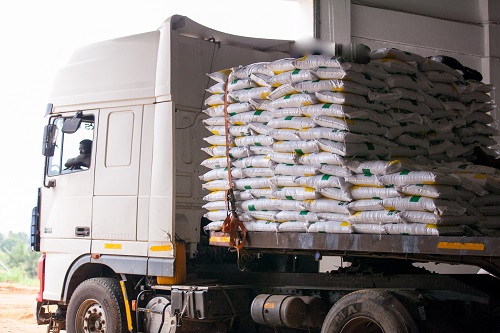
Ghanaian farmers and fertiliser importers continue to grapple with elevated input costs despite the recent ceasefire in the Persian Gulf, as disruptions to global shipping and supply chains persist.
Although military tensions have eased, fertiliser shipments from the Gulf region remain affected by shipping delays, limited vessel availability and high war-risk insurance premiums, preventing import costs from returning to pre-conflict levels.
The Persian Gulf is one of the world’s leading suppliers of urea, ammonia and sulphur, key raw materials used in fertiliser production. During the conflict, exports were disrupted as shipping capacity was diverted to crude oil and liquefied natural gas cargoes, while many fertiliser vessels experienced lengthy delays.
The continued disruption has increased costs for Ghanaian fertiliser distributors, with the impact filtering through to farmers who rely heavily on imported fertilisers for crops including maize, rice, cocoa and vegetables.

Analysts warn that higher fertiliser prices could discourage farmers from applying recommended quantities, potentially reducing agricultural yields and putting further pressure on food prices later this year.
Food inflation has already shown signs of rising. Despite the cushioning effect of Ghana’s strong 2025 harvest, food and non-alcoholic beverages inflation increased from 2.3 percent in March to 3.3 percent in May 2026 as supply chain disruptions and higher production costs began affecting the market.
According to industry experts, fertiliser prices may remain elevated until the final quarter of 2026 or even early 2027 as shipping backlogs are cleared and insurance costs gradually decline.
While the ceasefire offers hope of improved market conditions, businesses say a full recovery in fertiliser supply chains will depend on sustained stability in the Persian Gulf and the restoration of normal global shipping operations.
By: Toma Imirhe / businesspostonline