

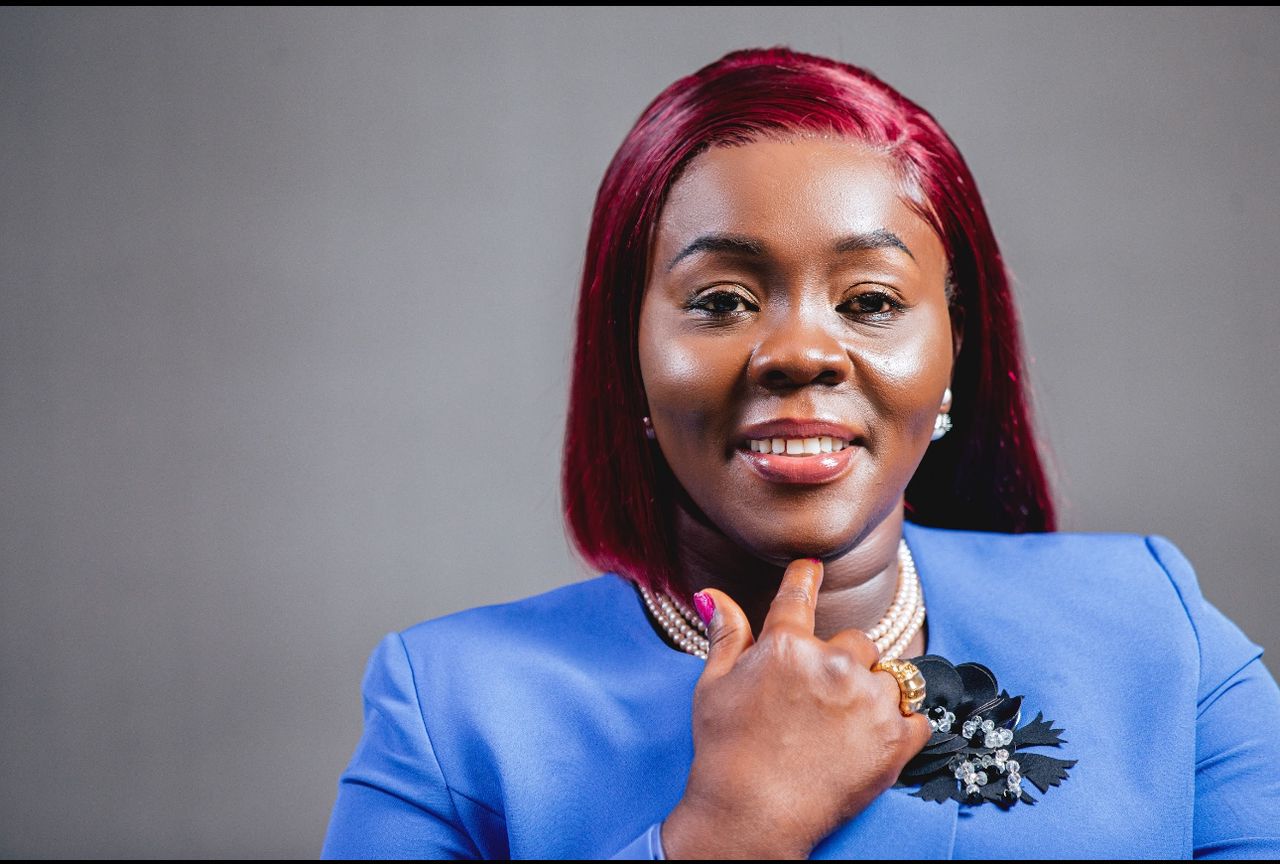
Women have been encouraged to take a more proactive approach to investment and pension planning, as a result of growing financial risks tied to longer life expectancy, career interruptions, and rising healthcare costs.
Speaking at the Eve Career & Leadership Development Workshop organized by the Eve International Foundation, Technical Advisor to the Commissioner General of the GRA, Elsie Appau-Klu Esq., stressed that many women face unique financial challenges that make early and consistent planning essential.
The Workshop, which was held on April 21-23, 2026 at Mankwadze in the Central Region, rallied other distinguished speakers and facilitators, including the Special Aide to President John Mahama, Joyce Bawah Mogtari, Special Advisor to the Governor of Bank of Ghana, Ms Sandra Thompson, Head; Rights & Quality Division, Mental Health Authority, Mrs Edwina Agroh Esq, and a Branding and Career Development Expert, Nazifa Abdulai Mohammed and other key dignitaries.
Speaking on the topic, ‘Thriving with purpose: Career Sustainability, Work-Life Balance & Pension Planning’, Elsie Appau-Klu Esq., noted that on average, women live several years longer than men, hence, their retirement savings must last significantly longer.

She highlighted that this longevity, while positive, also increases exposure to financial strain—particularly when combined with common career breaks for caregiving or maternity leave, adding, “These interruptions often lead to reduced pension contributions, creating gaps that can have long-term consequences if not addressed early.”
Indeed, financial analysts warn that relying solely on employer-sponsored or state pension schemes may not be sufficient. In many cases, such pensions replace only a portion of pre-retirement income, leaving retirees vulnerable to a lower standard of living.
Equally, Madam Appau-Klu said, without deliberate investment strategies, many women risk financial dependency later in life.
Undeniably, rising healthcare costs further compound the issue, as longer lifespans typically come with increased medical needs—expenses that are not always fully covered by basic pension plans.
She therefore urged women to look beyond traditional pension schemes and consider additional investments that can generate growth and supplementary income. These may include personal pension plans, diversified investment portfolios, and other income-generating assets.
The key message from the session was clear: financial independence in later years requires intentional action today. By starting early and planning strategically, women can better secure their future, maintain their standard of living, and reduce the risk of financial uncertainty in retirement.
As discussions around women’s economic empowerment continue to gain momentum, investment and pension planning are increasingly being framed not as optional, but as essential pillars of long-term financial wellbeing.
Indeed, investment and pension planning are especially important for women because of a combination of longer life expectancy, career patterns, and financial risks that can leave them more vulnerable later in life.
Relying only on employer or state pensions is risky because they often replace only a portion of income. Without additional investments, women may face a significant drop in their standard of living after retirement.
Investments—especially those that grow faster than inflation—help build independent wealth, close pension gaps, and create additional income streams beyond a salary or basic pension.
Source: businesspostonline