

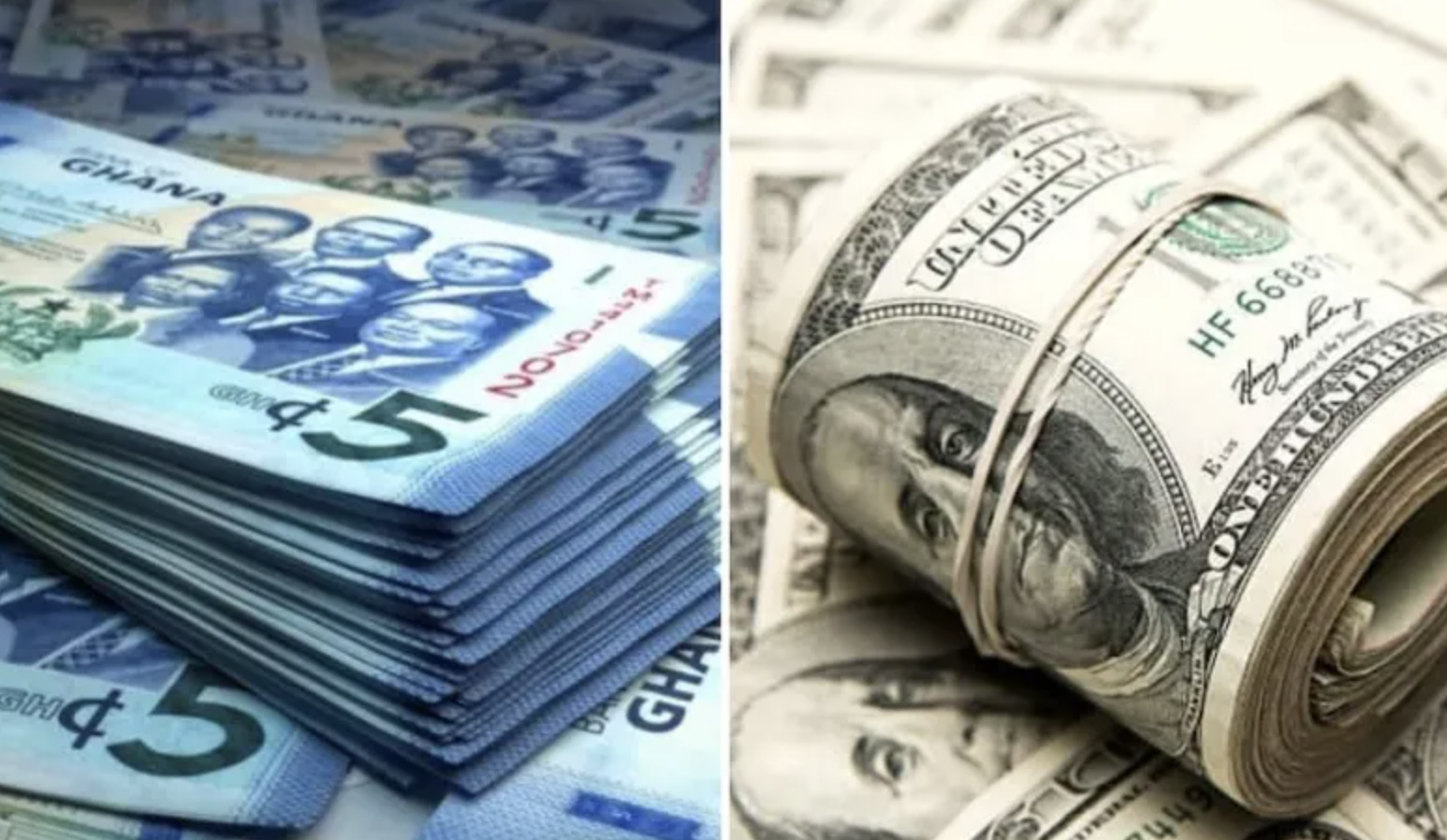
The Ghana cedi is facing renewed depreciation pressure as rising demand for US dollars, particularly from energy importers and businesses preparing for the peak trading season, weighs on the currency.
The cedi depreciated by 1.86 percent against the US dollar in July, according to market data and quotes from commercial banks, reversing part of the 3.30 percent gain recorded in June.
The July decline marked the currency’s second monthly depreciation since May, highlighting renewed pressure in the foreign exchange market after a period of relative stability.
The June appreciation followed substantial foreign exchange support from the Bank of Ghana (BoG), which supplied about US$2.01 billion to the market through its intervention programmes to meet demand and support orderly trading conditions.

However, pressure returned in July as demand for dollars increased, particularly to finance energy imports amid movements in international crude oil prices.
The trend has continued into August, with the cedi recording week-to-date and month-to-date losses of 0.52 percent and 1.66 percent, respectively.
On a year-to-date basis, the currency has depreciated by 8.06 percent against the dollar.
Seasonal demand adds pressure
Market participants have attributed part of the latest pressure to businesses increasing their dollar purchases ahead of the December Christmas shopping season.
The seasonal build-up in inventories typically increases demand for imported goods and, consequently, foreign exchange.
Energy imports are also contributing to the pressure. Higher crude oil prices increase Ghana’s foreign exchange requirements for financing petroleum and other energy-related imports, putting additional strain on dollar liquidity.
Despite these pressures, the BoG has sought to reassure the market that the latest movements do not signal a fundamental shift in the currency outlook.
In its July Monetary Policy Report, the central bank acknowledged that increased foreign exchange demand ahead of the Christmas season could create temporary pressure on the cedi but maintained that the currency should remain relatively stable over the medium term.
“Over the medium term, the Ghana cedi is expected to remain relatively stable,” the central bank stated.
The BoG said its foreign exchange interventions, combined with remittance inflows, should help moderate pressure on the currency.
US$1.9bn support planned
To reinforce dollar liquidity, the BoG is expected to supply approximately US$500 million to the market in September under its foreign exchange intermediation programme.
The Ghana Gold Board (GoldBod) is expected to provide a further US$1.4 billion in foreign exchange receipts during the month.
Of the GoldBod receipts, US$700 million is expected to be made available to commercial banks through spot sales and funded forward arrangements.
Another US$700 million is expected to be channelled to the BoG for reserve accumulation under the Ghana Accelerated National Reserve Accumulation Policy (GANRAP).
The planned support could therefore provide up to US$1.9 billion in additional foreign exchange flows during September, strengthening dollar liquidity at a time when seasonal and energy-related demand is rising.
The central bank has reiterated that it remains prepared to intervene when necessary to maintain orderly market conditions.
At the same time, it intends to preserve a flexible exchange-rate regime, allowing market forces to determine the cedi’s direction while using interventions to address excessive or disorderly volatility.
The effectiveness of the planned interventions will be closely watched as Ghana enters a period of traditionally stronger import demand, with businesses and investors monitoring whether increased dollar supply can contain further depreciation pressures on the cedi.
Source: businesspostonline