

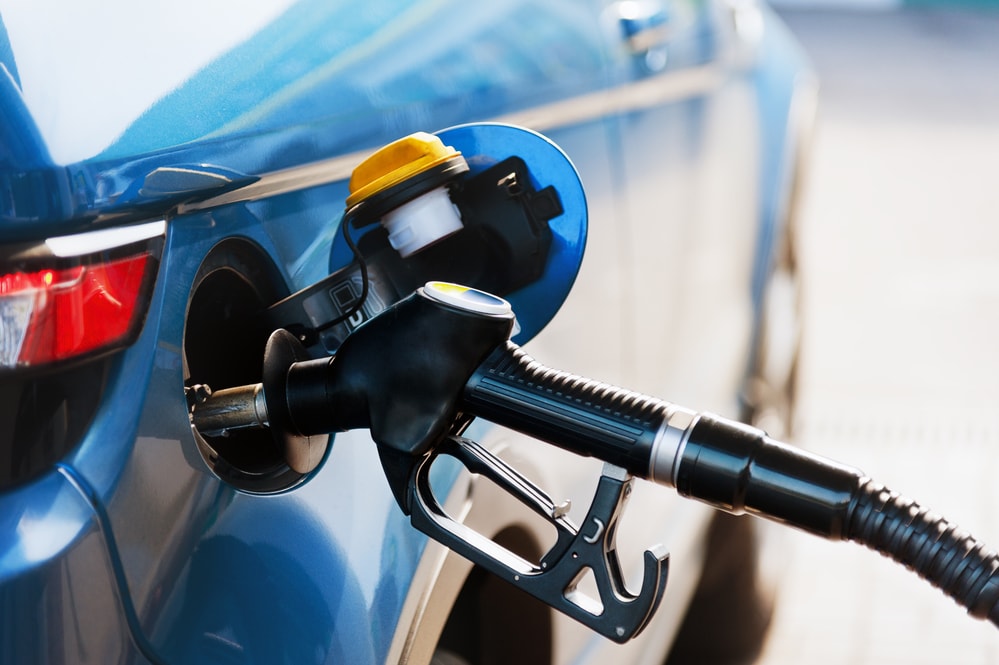
Oil Marketing Companies (OMCs) have started implementing fuel price reductions for the first pricing window of July, with market leader GOIL leading the adjustments after slashing the pump price of petrol to GH¢12.79 per litre.
The company reduced the price of petrol from GH¢13.87 per litre, while diesel prices were lowered from GH¢15.95 to GH¢15.35 per litre.
Another major player, Star Oil, has also announced plans to reduce its pump prices, indicating that petrol could be sold at the minimum price approved by the National Petroleum Authority (NPA). Several other OMCs are expected to follow suit in the coming days as competition intensifies across the downstream petroleum market.
The latest reductions come after the NPA revised its benchmark price floors for the first pricing window of July 2026.

Under the new pricing framework, the minimum price for petrol has been lowered to GH¢12.79 per litre from GH¢13.39 in the previous pricing window. Diesel’s price floor has also been cut from GH¢15.11 to GH¢13.54 per litre, representing a 10.4 percent decline.
Liquefied Petroleum Gas (LPG) recorded the steepest reduction, with its minimum selling price falling from GH¢13.23 to GH¢10.11 per kilogram, a drop of 23.6 percent.
Industry analysts had projected significant price reductions ahead of the latest pricing window. According to the Chamber of Oil Marketing Companies (COMAC), petrol prices were expected to decline by between 1.94 percent and 9.31 percent, while diesel prices were forecast to fall by as much as 10.2 percent. LPG prices were also projected to drop by between 24.5 percent and 26.9 percent.
COMAC described the current adjustment as the sharpest two-week decline in fuel prices since the global oil market collapse during the COVID-19 pandemic in 2020.
The Chamber attributed the price cuts to a combination of declining international crude oil prices and the sustained appreciation of the Ghana cedi against the US dollar.
According to COMAC, crude oil prices fell by nearly 20 percent over the review period, dropping from US$97.32 per barrel to US$78.16 per barrel. Prices of refined petroleum products also declined sharply, with LPG recording the largest drop, followed by diesel and petrol.
The Chamber said the decline in global oil prices was largely driven by easing geopolitical tensions in the Middle East following the reopening of the Strait of Hormuz, which improved global supply expectations.
At the domestic level, the cedi also strengthened during the pricing period, appreciating by 3.24 percent against the US dollar from GH¢11.8035 to GH¢11.4333, helping to lower the cost of imported petroleum products.
With more than 200 OMCs operating in Ghana, consumers are expected to benefit from increased competition as more companies adjust their pump prices in line with the new pricing window.
Source: businesspostonline