

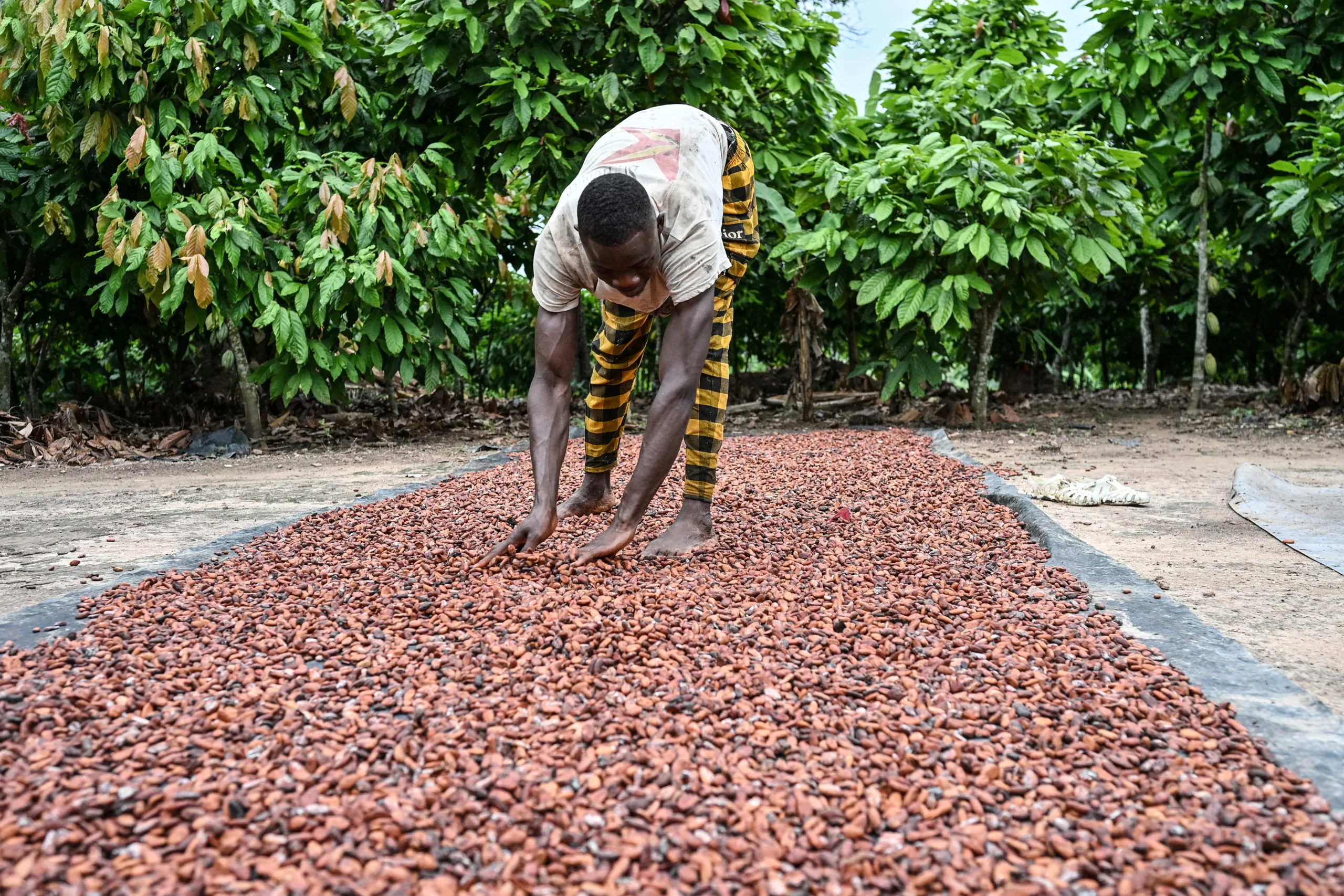
Ghana and Côte d’Ivoire’s cocoa sectors face heightened production and export risks as the October-December crop development period coincides with expectations of a peak in El Niño conditions, Fitch Solutions has warned.
The UK-based research firm said below-average rainfall and higher temperatures during critical stages of cocoa pod development could reduce yields in the two leading cocoa-producing countries, with potential repercussions for export earnings, government revenues and incomes in rural communities.
In a recent assessment of the risks facing Sub-Saharan Africa, Fitch Solutions said a particularly strong El Niño episode could have consequences beyond agricultural production, potentially disrupting crop cycles, increasing food inflation, reducing hydropower output and heightening the risk of social unrest.
The firm said the timing of the weather phenomenon was particularly concerning for Ghana and Côte d’Ivoire because the October-December period is important for the development of cocoa crops.

“Lower rainfall and higher temperatures during key pod-development stages could reduce yields,” Fitch Solutions noted, warning that the resulting decline in production could weaken the export performance of the two economies.
The potential shock is significant given the importance of cocoa to both countries’ external trade, fiscal receipts and rural livelihoods.
For Ghana, any material decline in cocoa output could also affect foreign-exchange inflows at a time when the country continues to rely on commodity exports to support its external position.
Fitch Solutions also identified broader food-security risks associated with El Niño, particularly for countries that depend heavily on imported staple foods.
It noted that rice imports account for substantial shares of consumption in several Sub-Saharan African markets, including 69 percent in Senegal, 49 percent in Côte d’Ivoire and 47 percent in Ghana.
This high import dependence, it said, leaves the countries vulnerable to a tightening of global rice supplies should El Niño conditions disrupt production in major exporting regions.
Higher global food prices could consequently feed into domestic inflation, particularly in economies where imported food represents a significant component of household consumption.
The risks vary across the continent, however.
In East Africa, Fitch Solutions said El Niño is typically associated with stronger October-December short rains. While increased rainfall could benefit some agricultural activities, excessive precipitation could result in flooding, crop damage, disease outbreaks and disruptions to transport networks.
The firm said its Environmental Sustainability and Governance (ESG) Country Risk data highlights the significant proportion of populations in some East African economies exposed to flooding.
At the same time, many countries in the region remain highly exposed to international wheat prices because of their dependence on imports.
Fitch Solutions said sustained increases in global grain prices resulting from continuing disruptions in the Black Sea region could therefore add to inflationary pressures, even where stronger rainfall improves domestic agricultural production.
Commodity exporters face additional pressure
Beyond agriculture, commodity-exporting economies face another potential risk from weaker international commodity prices, which could reduce export earnings, government revenues and foreign-exchange inflows.
Fitch Solutions said copper and gold exporters were particularly vulnerable to a more hawkish US monetary policy stance, which could weigh on commodity prices and investor demand.
“Copper and gold exporters are especially vulnerable to more hawkish US monetary policy,” the firm said.
The outlook for crude oil also remains uncertain. Fitch Solutions said it expects oil prices to decline as the US-Iran conflict moves towards a preliminary agreement, but warned that prices could fall more sharply than currently forecast if markets continue to respond negatively to positive developments and the US Federal Reserve proceeds with interest-rate increases.
For Ghana and Côte d’Ivoire, however, the immediate concern remains the interaction between weather conditions and agricultural production.
Fitch Solutions’ warning underscores the vulnerability of commodity-dependent economies to simultaneous climate, food-price and global market shocks, particularly where export revenues, government finances and rural livelihoods are heavily linked to a small number of commodities.
Source: businesspostonline