

Ghana’s informal cross-border trade (ICBT) reached GH¢31 billion in the first three quarters of 2025, accounting for 6 percent of the country’s total trade and exceeding the value of formal trade conducted with neighbouring Togo, Burkina Faso and Côte d’Ivoire, according to new figures released by the Ghana Statistical Service (GSS).
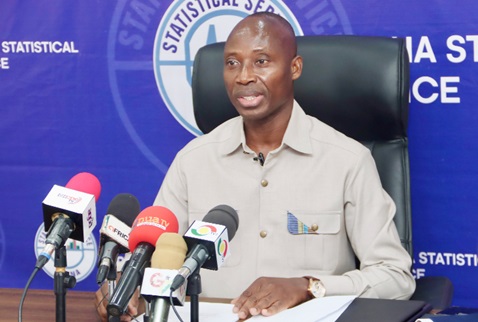
Presenting the findings in Accra, Government Statistician Dr. Alhassan Iddrisu described the survey as a major step in measuring a significant but previously unrecorded segment of Ghana’s economy. The study covered trade activities across 206 active border points in 10 regions bordering the country’s three immediate neighbours.
The report found that informal trade generated GH¢31 billion, compared with GH¢20.1 billion in formal trade with the three neighbouring countries during the same period, highlighting the growing importance of unrecorded trade flows in regional commerce.
According to the GSS, informal trade represented approximately 2.93 percent of Ghana’s GDP and maintained a relatively stable share of about 6 percent of national trade across the first three quarters of 2025.

Trade with Togo was found to be predominantly informal, with the share of informal transactions rising from 70.5 percent in the first quarter to 77.8 percent by the third quarter of 2025.
Similarly, informal trade accounted for more than three-fifths of Ghana’s trade with Côte d’Ivoire throughout the period under review. Trade with Burkina Faso also shifted increasingly toward informal channels after the first quarter, with informal transactions accounting for more than 52 percent of total bilateral trade in later quarters.
While Ghana maintained overall trade surpluses with Burkina Faso and Côte d’Ivoire, the report noted a widening trade deficit with Togo, which increased from GH¢725.5 million in the first quarter to GH¢994.1 million in the third quarter.
One of the report’s key concerns is the country’s growing food trade deficit with neighbouring countries.
The GSS indicated that Ghana’s informal food trade deficit doubled from about GH¢400 million in the first quarter to nearly GH¢800 million by the third quarter of 2025. At the same time, the country’s non-food trade surplus narrowed from approximately GH¢1 billion to GH¢800 million.
Cooking oil emerged as the leading informal food import throughout the period, accounting for between 14.4 percent and 16.3 percent of imports. Rice and livestock also featured prominently among traded commodities.
On the export side, Burkina Faso remained the primary destination for Ghana’s agricultural exports, receiving nearly 63 percent of such products. Togo was the leading destination for fuel exports and a major market for food and beverage products, including alcoholic and non-alcoholic drinks.
The survey revealed the extent to which small-scale transport supports regional trade.
Rather than trucks, tricycles were the dominant mode of transport used in informal cross-border trade, accounting for an average of GH¢2 billion in exports and GH¢1.7 billion in imports across the three quarters.
The report also identified four regions—Volta, North East, Northern and Oti—as persistently recording trade deficits due to imports exceeding exports.
To harness the economic potential of informal trade, the GSS recommended simplifying registration and licensing procedures for small traders, improving infrastructure at busy border crossings, and strengthening data-sharing among the Ghana Statistical Service, Ghana Revenue Authority and Ghana Immigration Service.
The report further urged investment in local agricultural value chains, stronger food security planning, and the establishment of a permanent system for monitoring informal trade under the African Continental Free Trade Area (AfCFTA).
The survey, conducted between January and September 2025, involved 676 trained field officers and used direct observation and interviews with traders to capture trade activity that falls outside official customs records.
“Measuring what was once invisible,” the GSS noted, is critical for ensuring that informal trade becomes a reliable source of evidence for economic planning and regional integration.
Source: businesspostonline