

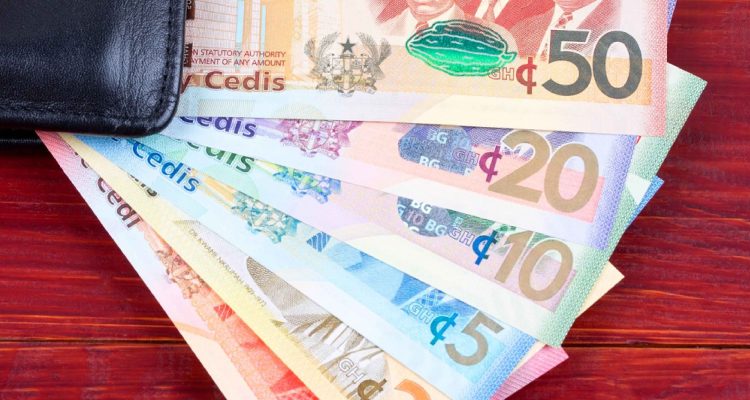
The Ghana cedi weakened slightly against the dollar in the last week as demand for the United States dollar increased to finance imports.
According to Bloomberg, the cedi has depreciated by 4.8 percent since the beginning of the year — the steepest decline among 23 African currencies tracked by the company.
“We’re seeing an increase in demand for dollar by companies to settle import bills, following the Christmas season,” Gabriel Engmann, a currency trader at GCB Bank Ltd. in Accra, said by phone. “We get inflows from some of our clients, but they’re not enough.”
Backed by gold’s rally and robust foreign reserves worth US$13.8 billion, the cedi gained 41 percent last year, the first annual gain since at least 1994 when Bloomberg began compiling the data.

The strong currency helped to drive inflation down, reaching 3.8 percent in January from 23.5percent a year earlier. The central bank also cut interest rates by 1,250 basis points within a space of just 10 months to 15.5 percent.
Still, demand for dollar is firm at the central bank’s twice-weekly spot auctions where it sells greenbacks to banks.
Lenders bid a total US$295 million at Thursday’s auction but the central bank sold US$125 million, according to results seen by Bloomberg. They sought to purchase US$356 million at an auction held two days earlier, and for that as well the regulator accepted US$125 million.
“What we have is a managed floating system,” Bank of Ghana Governor Johnson Asiama said in response to questions last month. “Our objective is to ensure that the volatilities are not excessive.”